Mikel Adán

Softshell Turtle

Mikel Adán Tolosa

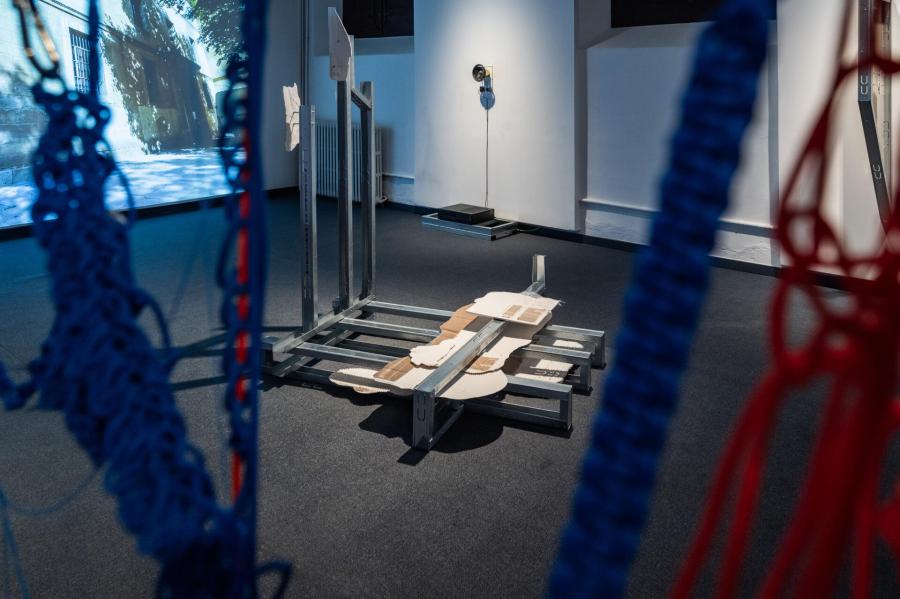
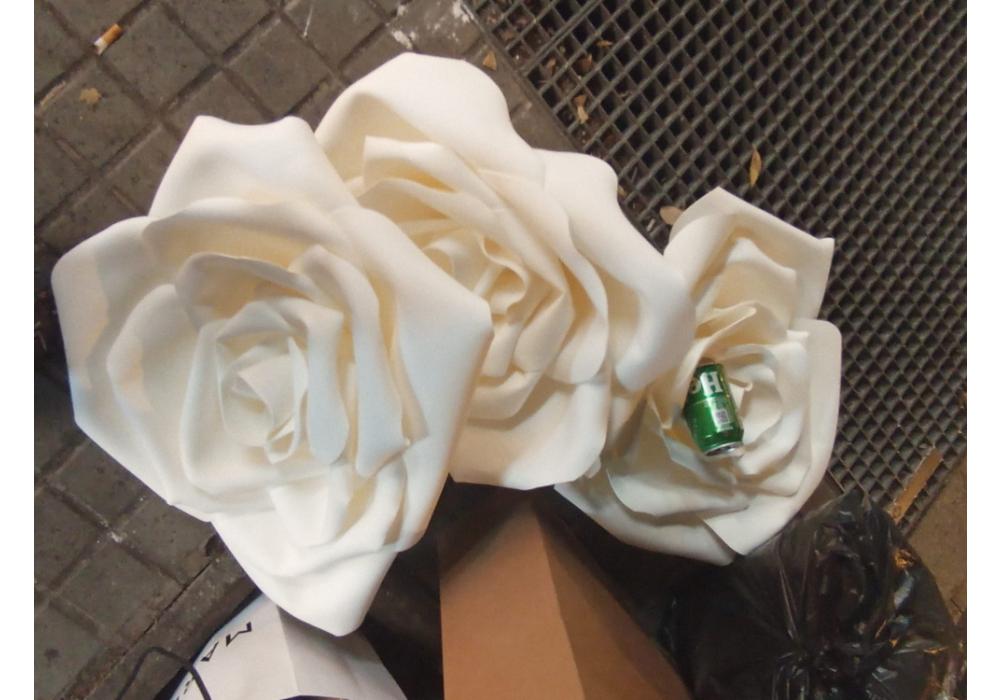
Softshell Turtle: a hard material to the eye, like one of those Roman breastplates depicting defined abdominal muscles. One of those that cover the chest and back. A hard material, in a turtle formation, a threatening block. The artist approaches and begins to sense what material it is, but he is not entirely sure. He decides to proceed with a chest examination and, surprisingly, when he rests his hands against the sculpture, they sink slightly into it, and he can feel the ribs and several organs: an internal cardboard structure can be guessed under the thick skin of fast-expanding polyurethane. This sculptural proposal aims to consider the relationships established between materials, between hard and soft bodies, cold and warm bodies, organic and non-organic bodies, and rigid and flexible forms.

Mikel Adán Tolosa (Caldes de Montbui, 1998) focuses his work on revealing the material relationships arising during the sculptural act, considering the sculptor to be a subject capable of altering or defining a final form that is always constantly changing. He graduated in Fine Arts from the Universitat de Barcelona and in Sculptural Techniques from Escola Massana. He has held solo exhibitions at La Granja (2025) and Dilalica (2025) and participated in group exhibitions at venues including 200cent (2025), Halfhouse (2024), Sala d’Art Jove (2024) and FOC (2022). Moreover, together with the dancer and choreographer Irene Rojo, he presented the performance Carne y piedra (Flesh and Stone) at La Caldera and the School for Contemporary Dance (P.A.R.T.S., Brussels), for which he received the Young Art Creation Prize in 2024. He has also participated in the Celestino Cuevas artist residency in Reinosa (Cantabria) and the Jardun Artistikoentzako Institutua (JAI) study programme at Tabakalera, Artium and the Oteiza Museum (Basque Country).
Xavi Lozano

Brick

Xavi Lozano Segarra

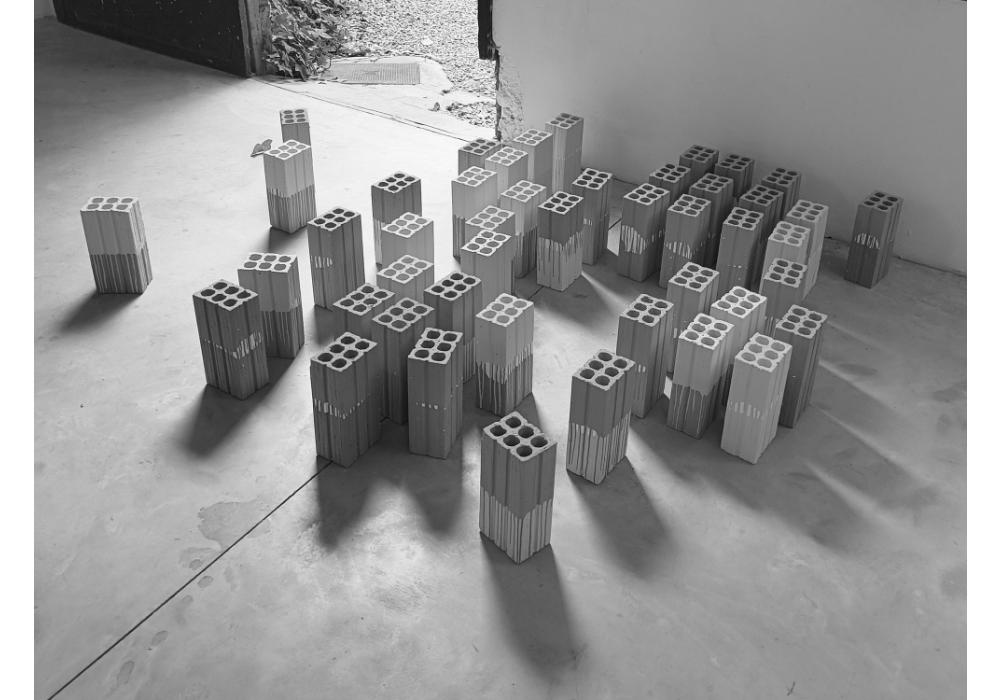
Brick is a work of art that invites reflection on the housing crisis in Barcelona. Made of coloured bricks, the sculpture symbolises the disintegration of the social fabric because of excessive rent increases.

A participative experience invites audience members to move the bricks according to some algorithmically generated instructions, thereby simulating the forced displacement of residents. Each movement contributes to the dispersion of the work, reflecting how thousands of families are forced to sever their social ties and abandon their traditional neighbourhoods, which severely impacts their quality of life.


Born in Barcelona in 1987, he is a generative artist who creates art through coding. His practice focuses on creating generative, deterministic algorithms that produce unique visuals each time they are executed.

Having graduated as an architect at ETSAB (2012), he seeks to combine his digital practice with sculpture made from materials typically used in construction. Interaction with and participation by the audience are also constant features in the formalisation of his work, whether in digital or hybrid pieces.

Chuso Ordi

Like an Old Enemy

Chuso Ordi

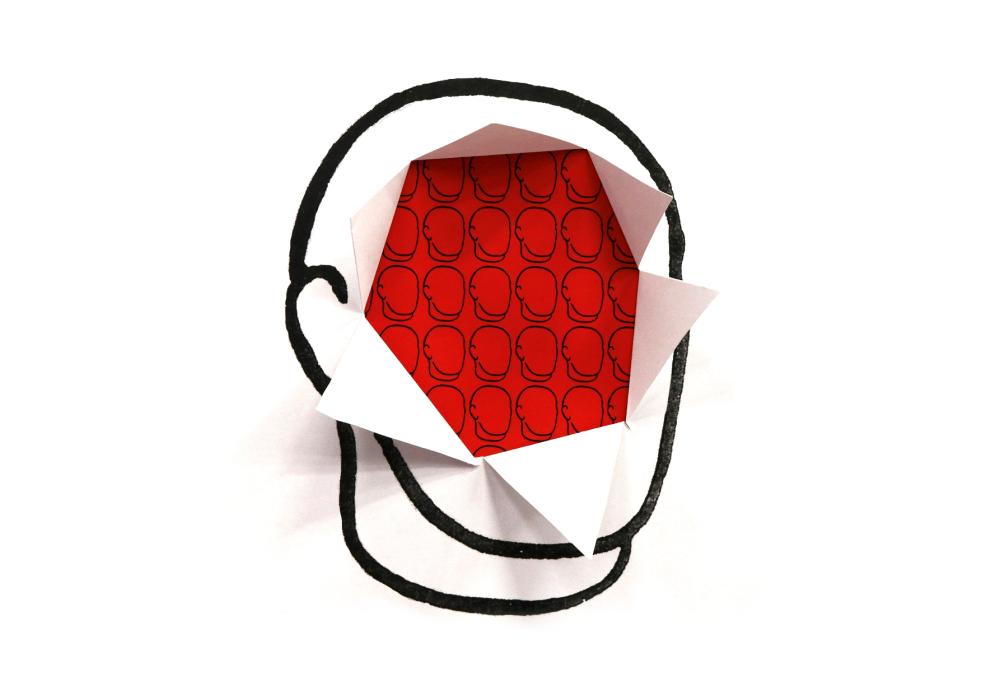
Like an Old Enemy stems from an illustration by the artist relating to the AIDS crisis that was published in the newspaper Nou Barris 9 in 1993 as well as a 1989 photograph about refusing to perform military service. Nine identical heads, one of them in negative in the centre, encapsulate the slogan ‘silence = death’ and displace the one in the middle: any body can occupy any head. This figure reappears at the heart of a graphic and audiovisual installation that triggers a fragmented memory. The proposal reflects on two impositions that marked a generation: the threat of the disease and militarism, mechanisms that controlled the body, sexuality and dissent. Thirty years later, the piece gives a voice to this figure by raising questions about the place that we occupy.

Chuso Ordi is a visual artist working with drawing, animation and cameraless analogue film techniques, developing a hybrid practice that combines graphic language with symbolic narrative, in which drawing acts as a tool for inquiry. His work often originates in personal, political memory archives to create visual narratives about identity, community, existence and dissent. He is interested in popular graphics and community media as spaces for circulating images that set into motion a critical mechanism.

Grup d'estudi

Grup d’Estudi Grab Bag

Grup d’Estudi

Caixa sorpresa Grup d’Estudi (Grup d’Estudi Grab Bag)

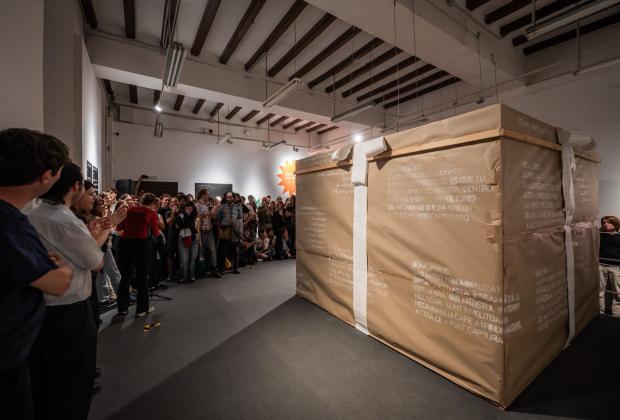
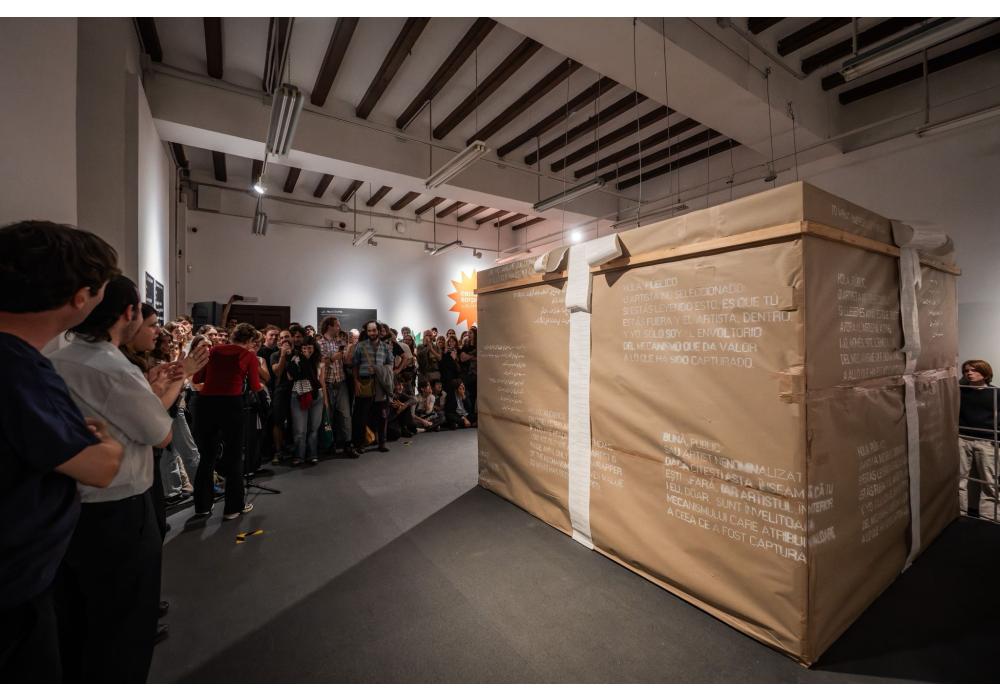
Grup d’Estudi says: ‘[…] Oh, on the other hand, you can choose the grab bag! You can secure a limited amount of a resource or you can open up the opportunity that presents itself.’ And also: ‘Trains like this are never going to pass again. I assure you that what’s inside is no small thing!’

There is a recurring pattern for this group. It is an exponential desire for an immeasurable becoming, for the vertigo of possibilities, for something that will eclipse those realities whose beginning we already know and whose end we can guess. Grup d’Estudi tries out various forms of anti-curatorship to transform Espai Rampa into a grab bag, in both a tangible and methodological sense.


Grup d’Estudi

Grup d’Estudi is a group of artists and curators dedicated to researching and cataloguing the various formats of publicly presenting artistic productions, defending the radical mobility of its members in terms of group membership. Gd’E has carried out exhibition, curatorial, performance and mediation projects in spaces such as La Virreina Centre de la Imatge, àngels barcelona, Index Foundation, Fundació Joan Brossa, Santa Mònica, Exibart and the Guarda-si-venes chapel.

Images

Insania

Insania

Heidi Valda

INSANIA

An interactive sound and light installation that materialises an automaton to renounce the musical pleasure of noise and the protagonism of the operator to reinterpret the image by alluding to its wandering glitch state. It opts for the fractured, the broken, the state of mind in which the limits between the real and the imaginary no longer exist, a state that has been dubbed ‘madness’. A magical act, a dreamlike journey, a connection between mundane carnality and transcendent consciousness, the abrupt expansion of symbolic space… through rupture… 

Unreason as the ultimate foundation of reason. 

It becomes clear on entering it how BEING modifies the parameters of EXISTENCE and CREATION. By introducing error, the participant creates chaos and rupture in the communication patterns between the device’s modules when interacting with the audience. This leads to an aberration in the AV and in the expectations of the participant, thereby OPENING a new symbolic field of a higher order. 


Heidi Valda

Heidi Valda is a Bolivian artist and creator of interactive light spaces on and off the screen. She has concentrated her attention on multidisciplinarity as a way of making, creating and producing artistic works that enrich traditional ways of understanding art and technology in symbiosis. Her research covers various areas of digital culture. She has exhibited at festivals such as Sónar+D, MUTEK.ES or Poblenou Open Night, among other platforms. She holds a Master in 3D Animation from the Universitat Pompeu Fabra and another in Audiovisual Innovation and Interactive Environments from Barcelona’s Centre Universitari d’Arts i Disseny (BAU). She combines her skills to create artistic hybrids that are mainly inspired by fractal psychedelia and distorted reality.

La pantalla mutante

La Pantalla Mutante (The Mutant Screen)

Pol Merchan

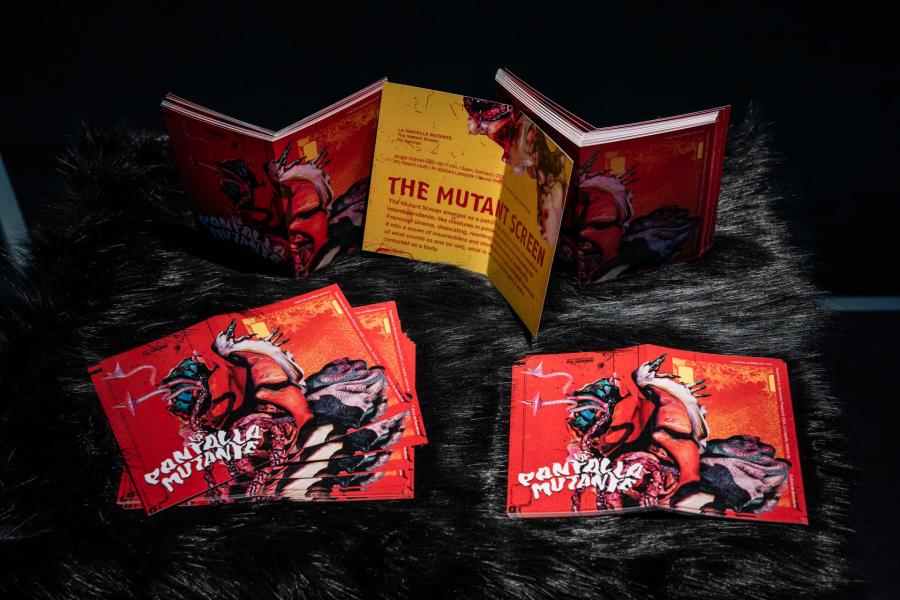
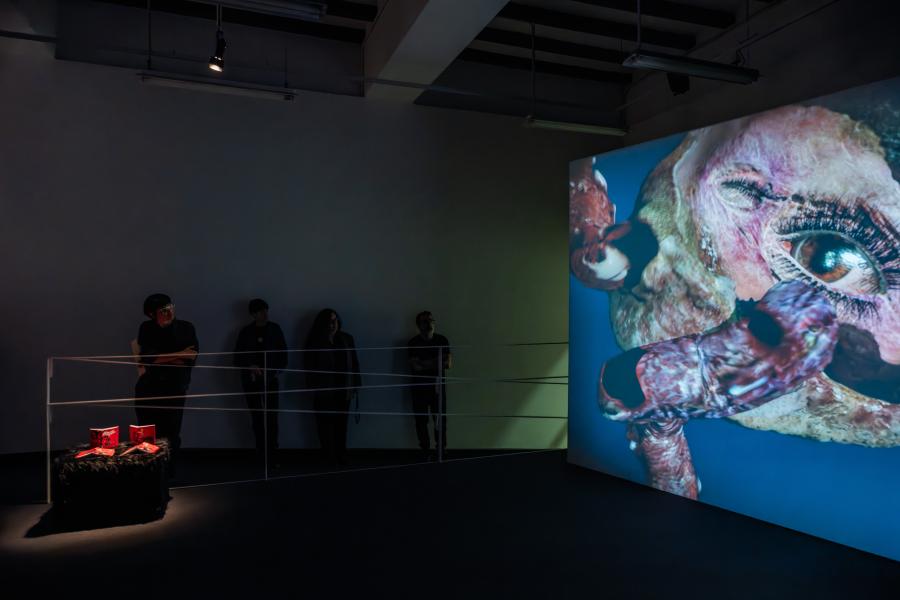
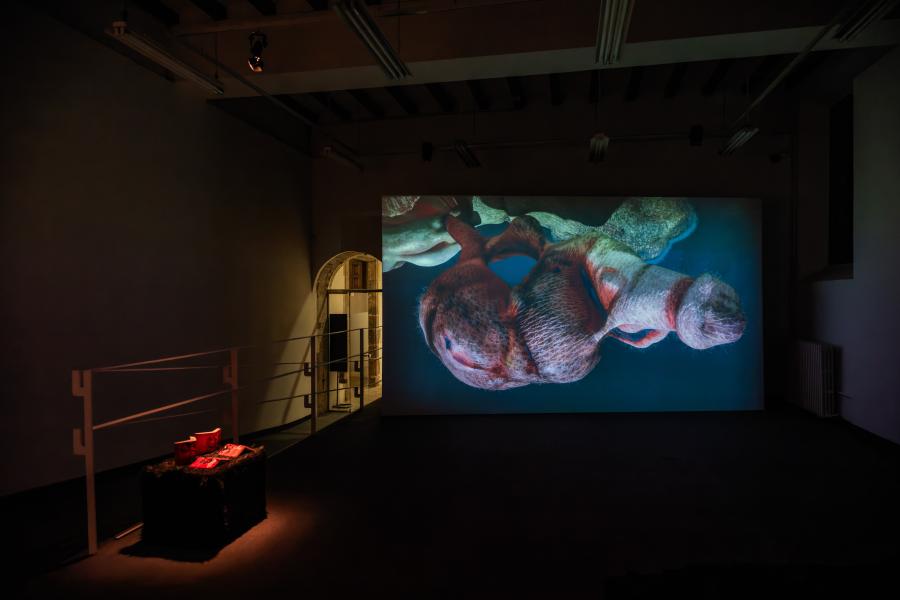
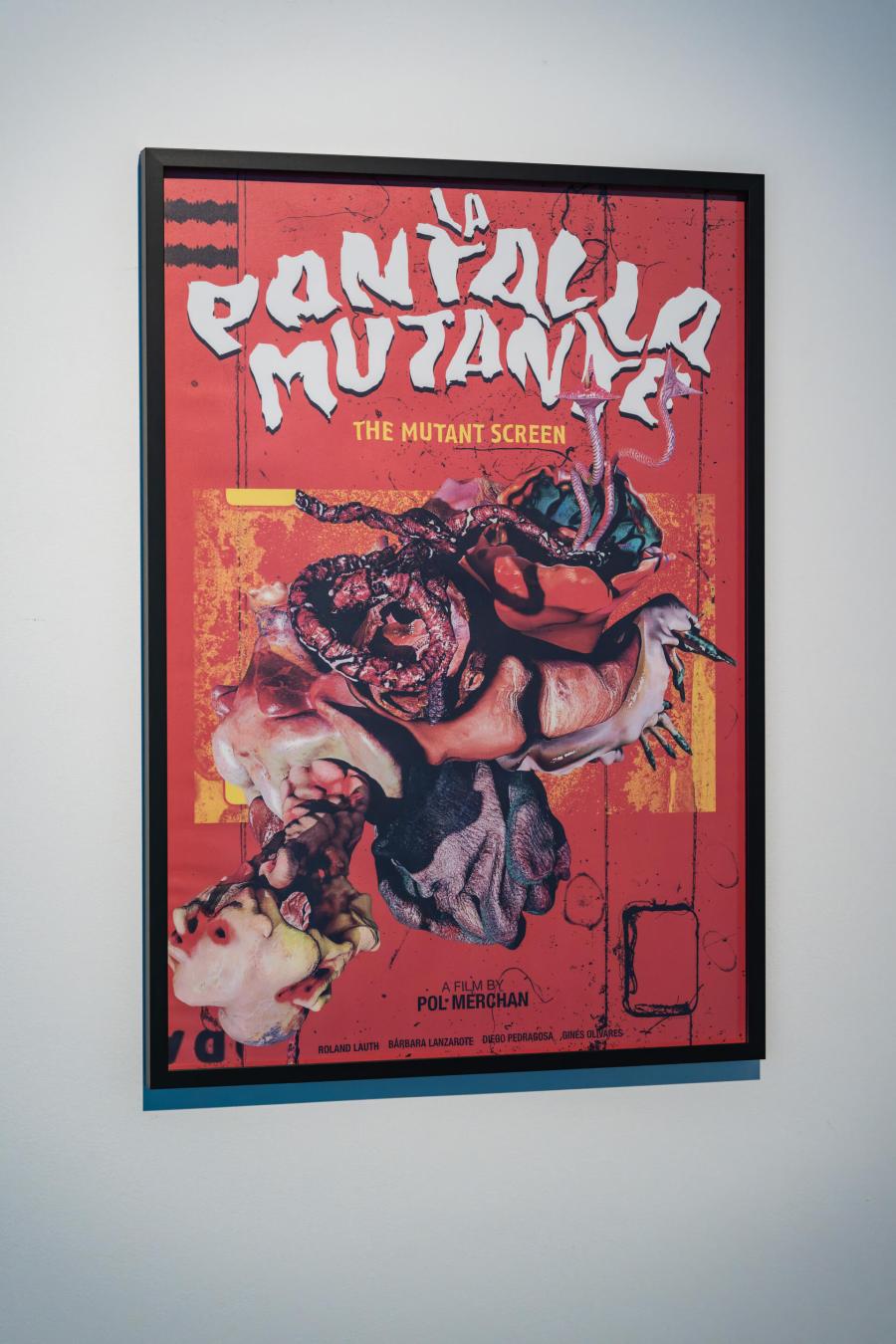
The Mutant Screen

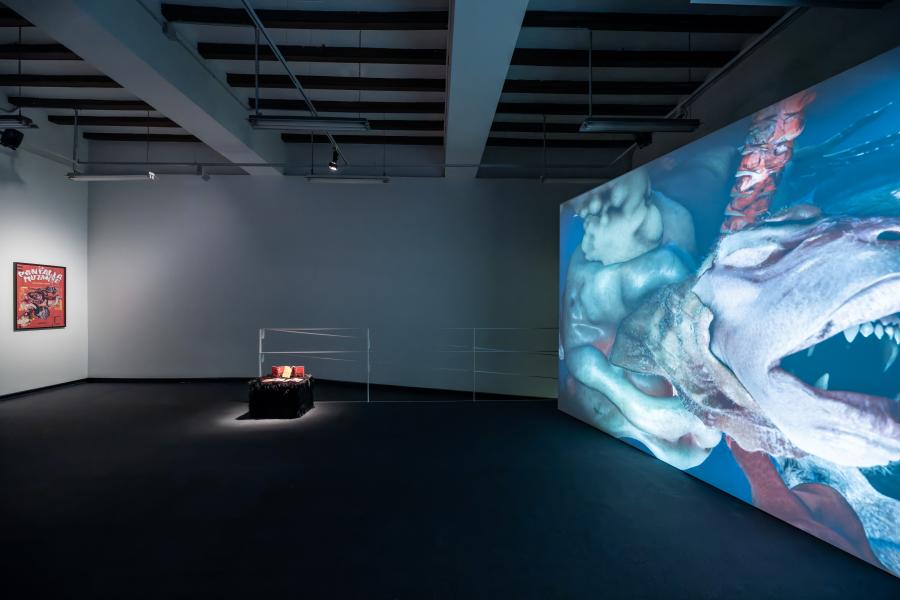
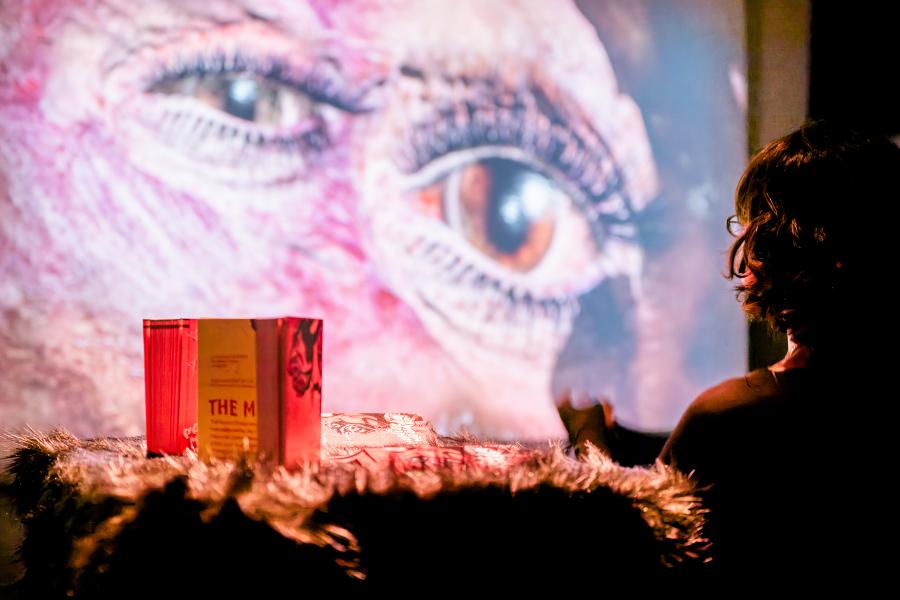
The Mutant Screen emerges as a patchwork of forms in erratic sociotechnical interdependence, like creatures in perpetual transformation excavating late Francoist cinema, dislocating, rewriting and remediating it, transforming it into a coven of insurrections and disobedience to the ontological impositions of what counts as one (or not), what is accessible to the gaze or what is contorted as a body. The fantaterror of the 1970s and 1980s is no longer a two-dimensional gallery of monsters and dismembered bodies and has become a broken canvas where the queer and the trans*, the dissident and the oppressed, find cracks through which to seep, vectors through which to expand.

Pol Merchan

Pol Merchan is an artist, filmmaker and curator of the Xposed Queer Film Festival in Berlin. He graduated in Fine Arts from the Universitat de Barcelona and completed a Master in Art in Context at the Universität der Künste in Berlin. His work has been exhibited internationally at art institutions and film festivals such as the Centre d’Art La Panera, Museo Nacional Centro de Arte Reina Sofía, Videonale, International Film Festival Rotterdam, Hot Docs Canadian International Documentary Festival, Dok Leipzig, Ann Arbor Film Festival and Anthology Film Archives. His work is part of the collections of the Fundació Leandre Cristòfol and the Museu d’Art Modern i Contemporani in Lleida. 


https://vimeo.com/polmerchan


Images

Quan ja no ens escalfa el sol, Zaida Trallero

When the Sun No Longer Warms Us

A project curated by Zaida Trallero

Joana Capella Buendia, Aymara Arreaza R, Natalia Domínguez, Georgia Vardarou

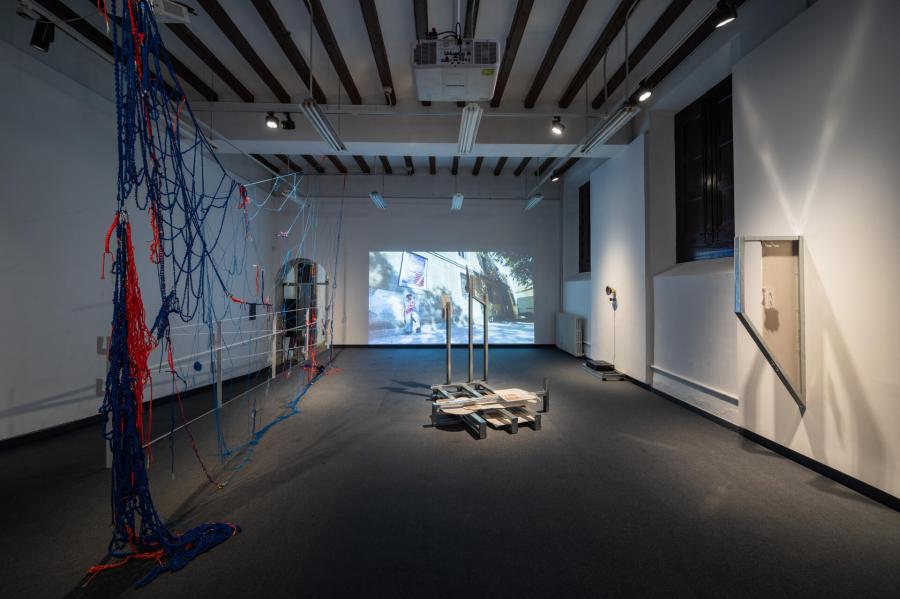
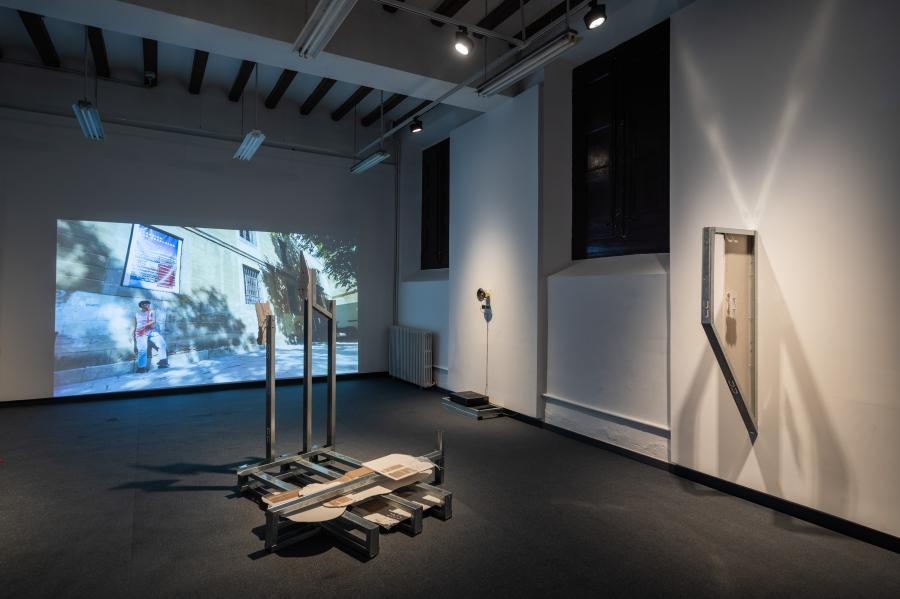
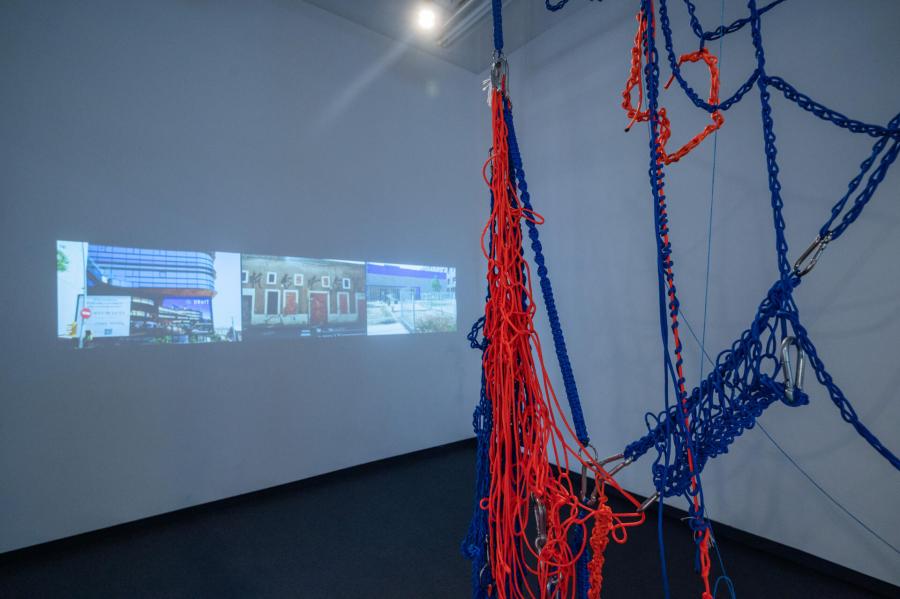
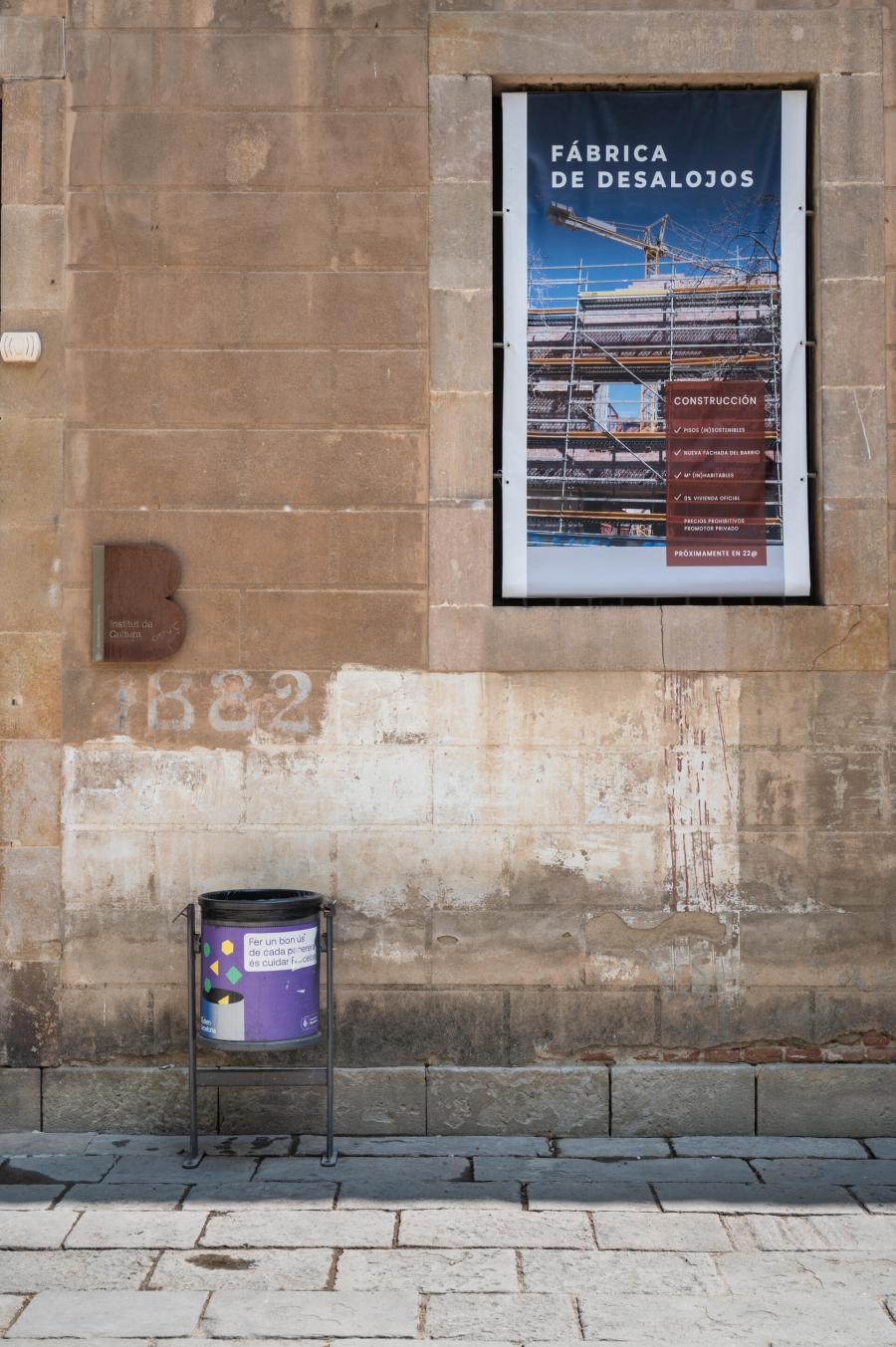
Quan ja no ens escalfa el sol (When the Sun No Longer Warms Us) explores how constructivist violence and processes such as gentrification affect our bodies. It is an on-site project, a space for dialogue, a choreography. Gentrification is movement, displacement, an intimate relationship with a space that is breaking down, with a territory. Created from the direct effect of an urban change, the works act to trigger a collective process in which the exhibition becomes an installation, sound and dance, thereby offering other possibilities to tackle a problem in our cities.

Zaida Trallero. Trallero pursues her practice in a number of fields: curating, writing, research and cultural management. Since 2017, she has been a member of the trama34 cultural association and artists’ workshop (L'Hospitalet del Llobregat), where she runs projects such as Els col·leccionables del kiosk solitari; AF.FAIR. Another fucking fair; and Meta Monumental Market. She has worked with spaces and institutions such as Salón (Madrid); Museu d'història de L'Hospitalet del Llobregat; Chiquita Room; Trastero 109 (Palma de Mallorca); Museu de l'Empordà (Figueres); Goethe Institut (Barcelona); Fundació Tàpies; Sant Andreu Contemporani; Arts Visuals Can Felipa; and La Casa Encendida (Madrid). She has also been a mentor for the Sala d'Art Jove. She is the co-founder of the online publishing initiative Site-Specific Conversation and she writes for artists’ publications and cultural platforms.

Images

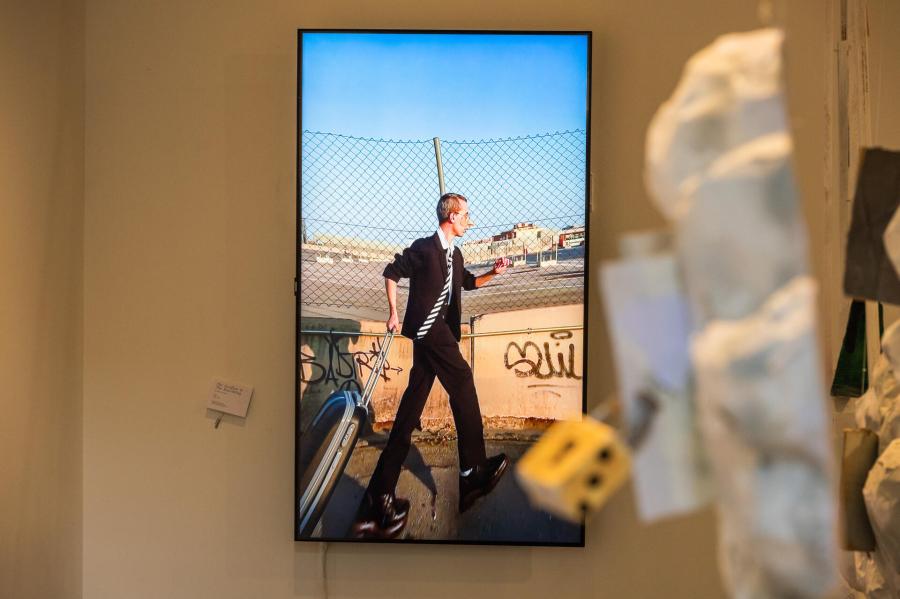
New Ywork by Jaume Clotet

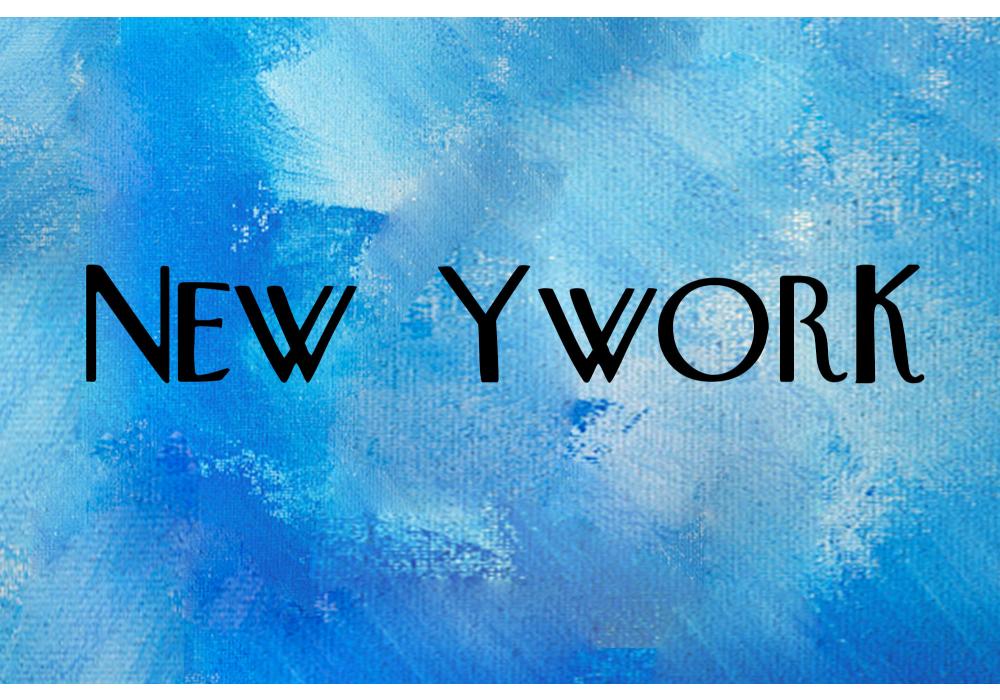
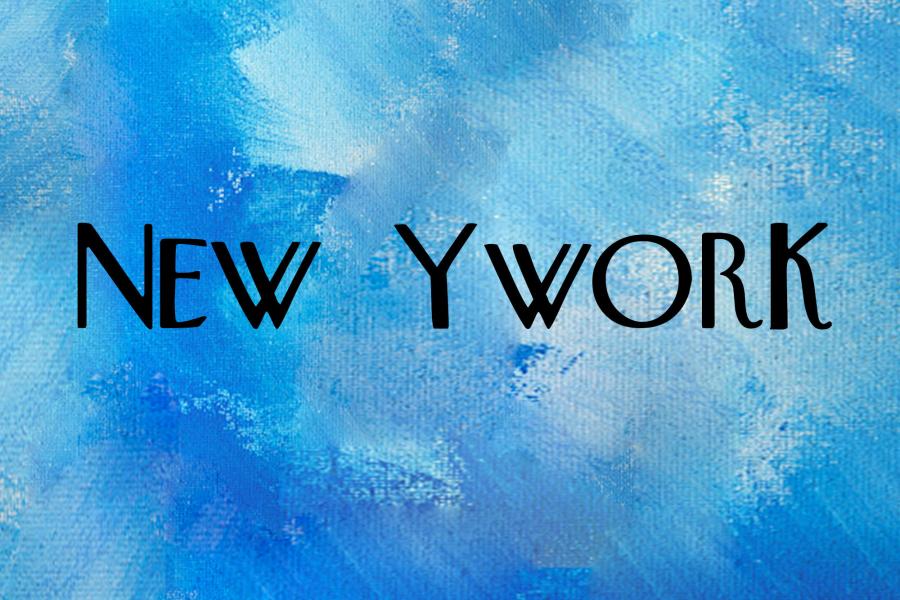
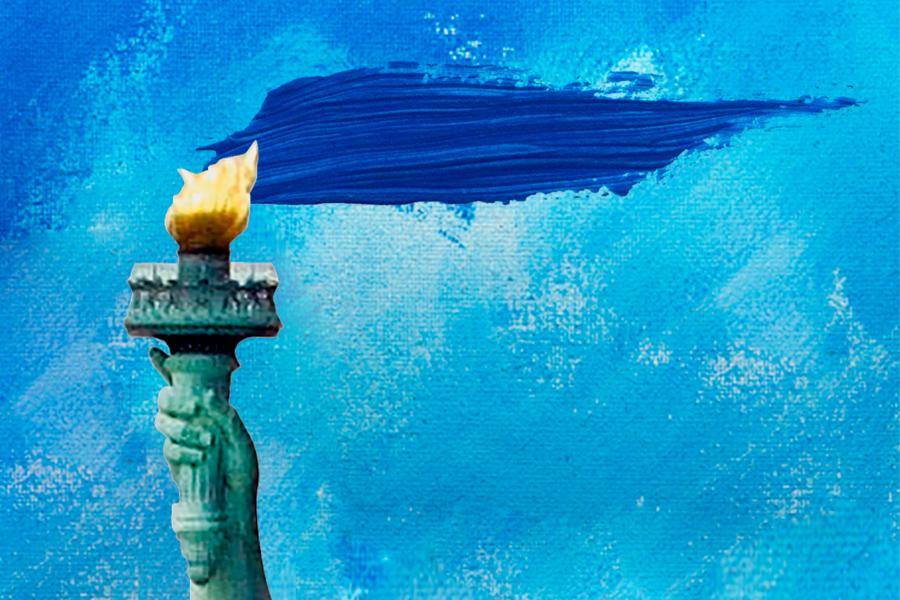
New Ywork

Jaume Clotet

I’ve decided to leave.
        I always arrive late
                   and I’m in a hurry and go slowly

                   My dream is to be a comedian.
                                To make people laugh and to make a living off laughter.

                                But where I live, comedy ignores me.
                                              I’m like a fish out of a pot. 

                                              I’m keen for adventure…
                                                         So I’ve decided to fulfil my dream
                                                                        and travel to the Mecca of entertainment:
                                                                                                                        New Ywork.


Jaume Clotet (Manresa, 1994) graduated in Fine Arts from the University of Barcelona. His solo exhibitions to date are: NeoGroupie (Galeria SiS, 2015), INTEGRAL (La Capella, 2019), Diverrealism (Habitación 34, 2021) and 20vingut (etHALL project space, 2020-2021), for which he was awarded the GAC prize for the best up-and-coming artist of 2020. Since 2019, he has been co-directing, with Alicia Garrido, the Cabaret Internet show, various performances of which have been put on at venues such as El Pumarejo, Sala Vol and Hangar, as well as a special edition for Art Nou 2021.


Images

Subscribe to Espai Rampa