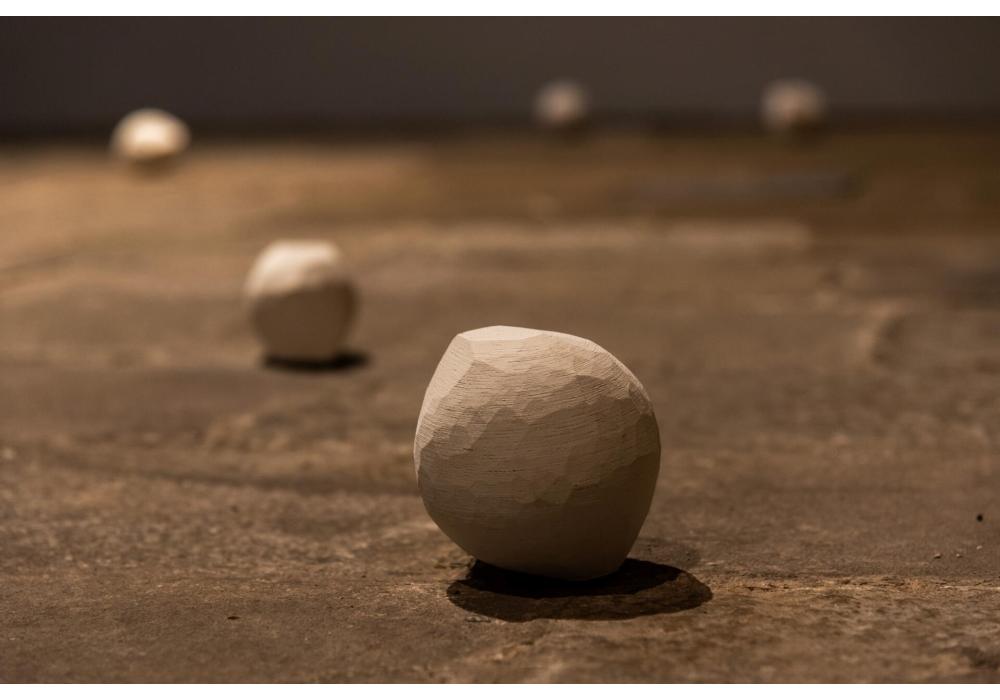
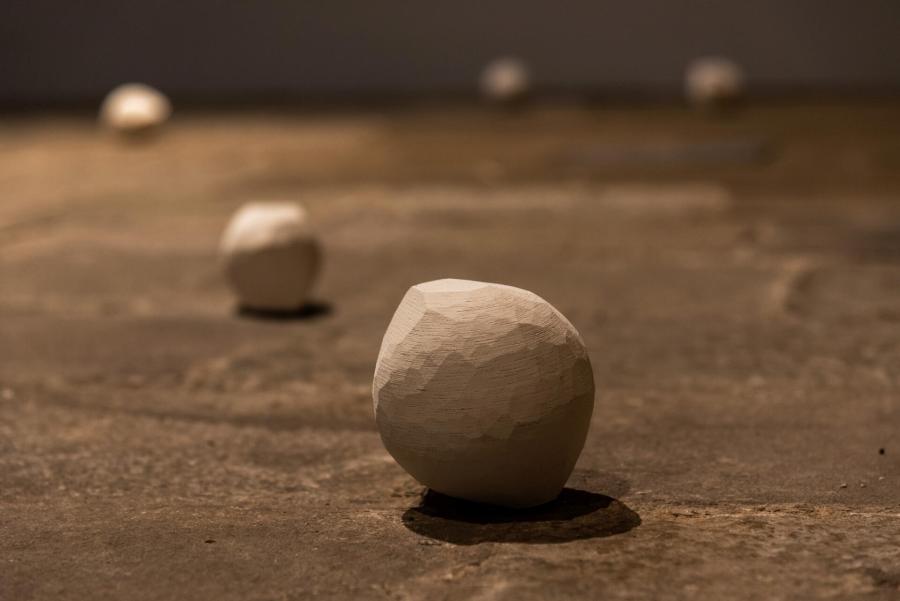
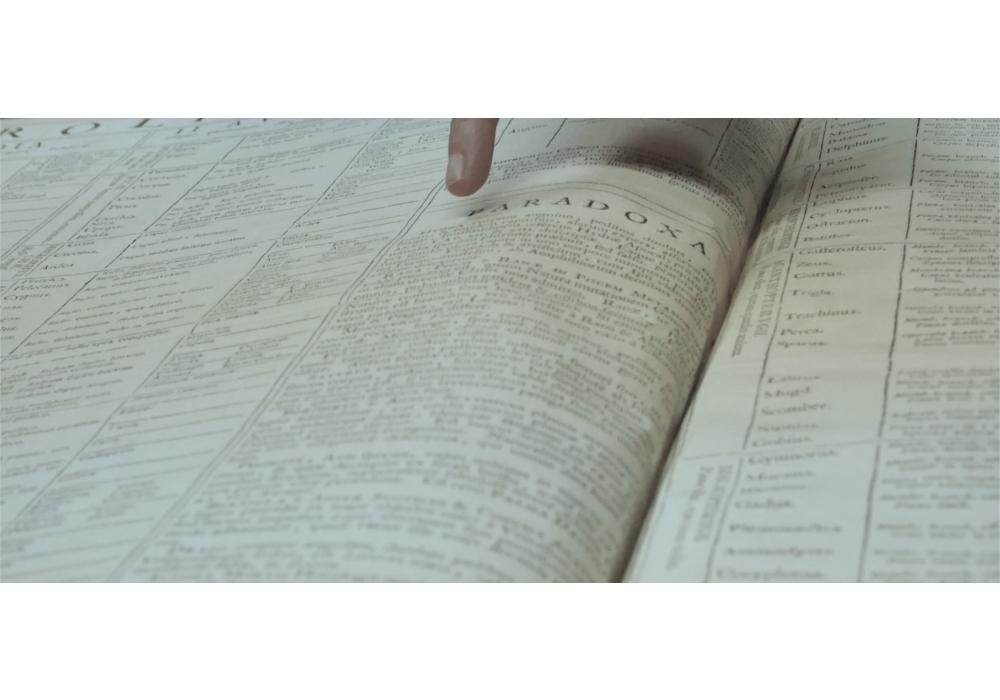
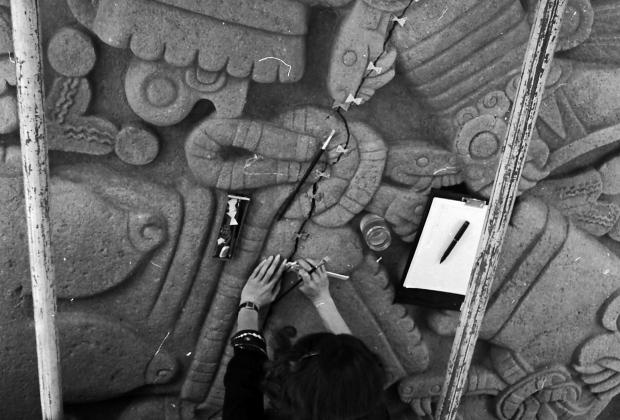
Anna Dot’s installation is part of Scene 4 and Scene 5 and today she is presenting a perfomance-based activity in the form of a talk in the same exhibition gallery. Combining erudition and chatter, Anna Dot’s oratory will provide a detailed account of the displacements and translations of writing to stone that comprise her piece.
Agustín Ortiz Herrera’s research centres on the taxonomic practice of the system for classifying natural species developed in the context of the European Enlightenment by Carl Linnaeus (Sweden, 1707-1778). The artist focuses on a range of exercises in documentation regarding taxonomy in study centres specialised in Linnaeus, such as those in Uppsala and London, which hold more than 55,000 samples of plants, animals and minerals sent by Linnaeus’s followers from the far ends of the Earth. Ortiz proposes to expand the research in Catalonia with the aim of generating synergies and of forging links with women authors who have formulated discourses related to posthumanism, queer and feminist theory and the decolonial movement, among them Lynn Margulis, Donna Haraway, Ariella Azoulay and Rossi Braidotti. The structure of his proposal encompasses a number of different ambits, such as the questioning of the goals of the systematic classification of knowledge, reflection on the impact of Western scientific methods on social texture and its degree of cultural imposition and domination, examination of the close connection between taxonomy and the colonialist expansion of Western civilisations, uncovering the future of supplanted local knowledge and, lastly, the search for a queer and feminist vision of this issue.
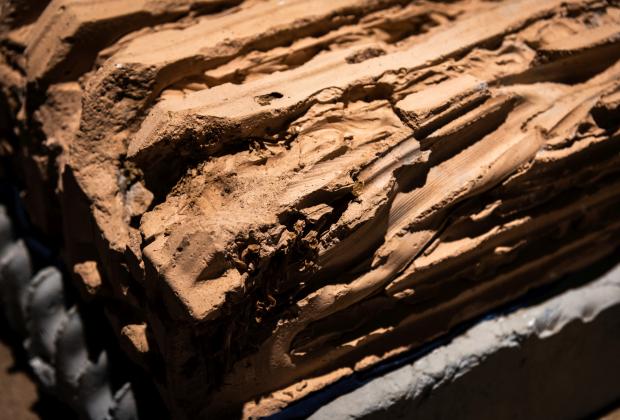
Agustín presents specifically for INDEX one of the in process research lines. It is an artistic proposal that focuses on the construction of a speculative fiction based on the concept of a future Cabinet of Wonders. Inspired in the inception of Natural Sciences (Renaissance) in which the magical world refuses to disappear, the artist transports us to a parallel or future time (but difinitely ambiguous) in which the remains of a forgotten humanity, are analyzed and recreated by creatures eager for knowledge. This entity tries to expand, experiment and reconstruct the fragmented memory on human culture and its surroundings that was able to preserve. The boundaries between the artificial and the natural are blurred. When studying the anthropocene, disciplines such as biology, anthropology and archeology intersect and even juxtapose.
Images
In 1974, the Argentinean artist and intellectual Oscar Masotta (1930-1979) went into exile in Europe. Settling first in London and then in Barcelona, he organised Lacanian psychoanalysis study groups, as he had done in Buenos Aires. In Barcelona, Masotta taught his first seminars in the studio of the artist Josep Guinovart. Artists such as Pepe Espaliú and intellectuals of the standing of Alberto Cardín, to mention but two examples, took part in these seminars, demonstrating Masotta’s importance on the Barcelona cultural scene in the post-Franco years. This project is framed in a personal and professional quest of Cloe Masotta. In August 2016, she travelled to Argentina with the filmmaker Andrés Duque to do a series of interviews for the exhibition Oscar Masotta. Theory as Action, curated by Ana Longoni. After 17 years without setting foot in Buenos Aires, Cloe Masotta went to the house where her father had spent his childhood. There she found a box full of letters written by her father to his mother (her grandmother) when he was already in exile. The publication Haurem de trobar un lloc on trobar-nos charts Oscar Masotta’s intellectual career, as well as his life in Europe, through these letters and the marks he left in the books he was reading while he was writing.
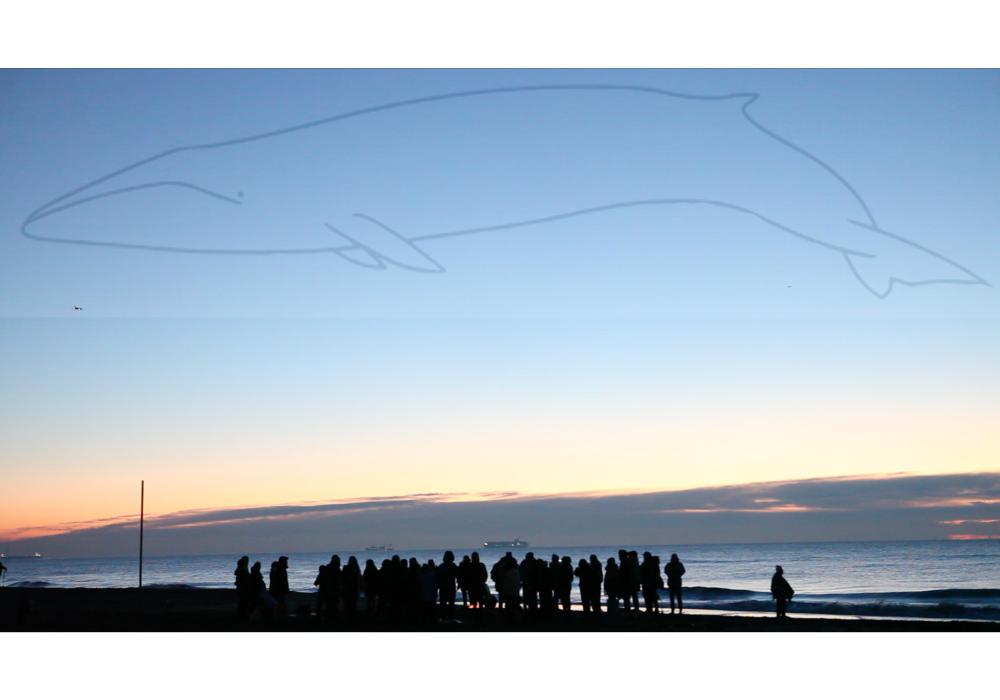
This project came into being when Consol Llupià learned the story of a 19-metre-long cetacean that washed up dead on the beach of El Prat de Llobregat, near Barcelona Airport, on 12 May 1983. This historical and social event remained engraved in the collective memory of the residents of El Prat and Barcelona and the skeleton ended up being displayed in Barcelona Zoo until the spring of 2018. Consol Llupià has been working on the case in a bid to have the whale’s skeleton returned to the Mediterranean Sea in May 2020, coinciding with the 37th anniversary of its discovery (and the artist’s birthday). In a public event that will demonstrate the many relationships forged during the realisation of this lengthy project, Llupià proposes to weave a dialogue between diverse institutions, organisations and communities in the fields of the environment, science, energy, the law, society, sports, humanism and art, reactivating a new formula for the relationship with nature and a new world view on its conservation.
https://consolllupia.tumblr.com/
RADIO PROGRAMS
Consol Llupià’s radio programs consists of an episode-by-episode explanation of the long process of the Whale from El Prat de Llobregat to the present day. At the start of the month, before she posts material online, the artist will bring the new programme in person to Espai Índex. If you’re round this way, you might come across her.
Program # 1:
Two years ago, the news of a stranding of a whale of 19 meters on the beach of El Prat came to my life. The year I was born. Search in Google for "Whale 1983". The common whales migrate along our coast from March to June. It was the owner of the skeleton installed at the entrance of the Bcn Zoo. You can't hear this type of Whale when they talk because they VIBE. We asked it with our vibrations if it wanted to go home.
Program # 2:
The El Prat Whale to El Prat was invited to be part of the World Marine Mammal Conference, celebrated December 7-9 of 2019 in Barcelona titled: “Art as a tool for Communication, La Balena del Prat al Prat. Art, science and other languages to revise how conservation is.” My thanks to Luigi Bundone Archipelagos - ambiente e sviluppo, Italia and Volker Smit of www.m-e-e-r.org.
This is my contribution to the conference.
Program # 3
In order to know the natural space where El Prat Whale arrived, I did a field research with my body.
I walked the perimeter on foot at different times of the day and night, I learned to handle the Catalan Skate in El Prat Maritime Club, and there, in front of the El Calamar Chiringuito, there is a Foundation where I volunteered from May to August 2018.
During this time I discovered: which relationship do I have as a human animal with the sea and which relation and links do I have with other non-human animals that cohabit with space.
I have stopped eating meat, I am in the process of Residue 0 and I have removed all my leather wardrobe and shoes from my closet.
In March 2019, it was announced that all the music stored on the Myspace social network since before 2015 had been permanently deleted due to supposed professional negligence. Some 50 million songs produced by around 14 million artists were gone for ever. The Internet Archive – a library that preserves digital archives – managed to recover 450,000 of the lost songs and compiled them into a vast archive called Myspace Dragon Hoard.
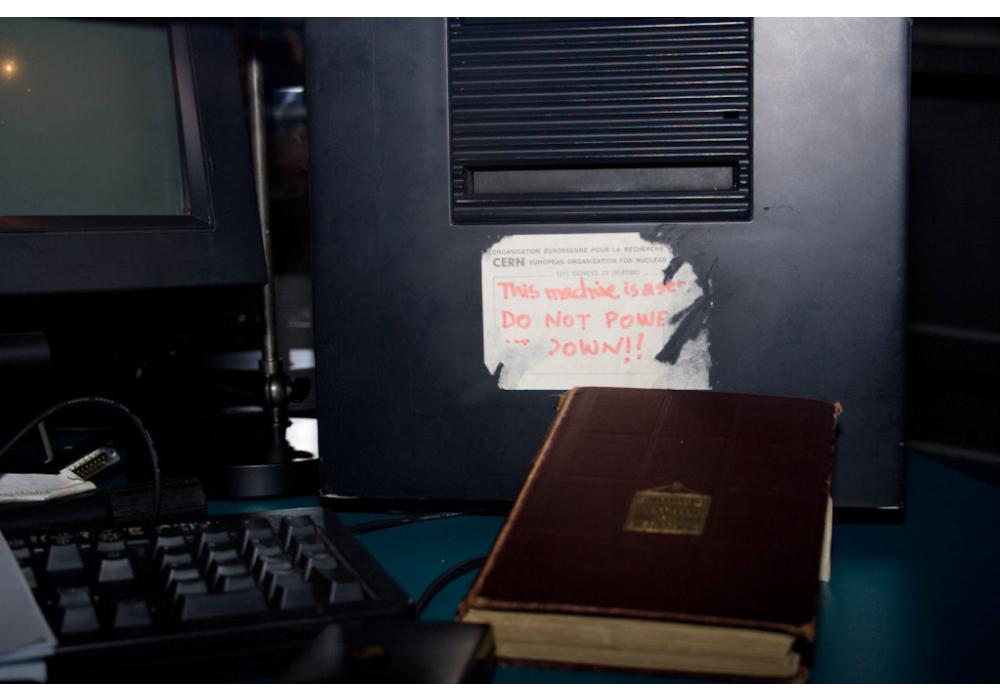
Myspace Dragon Hoard (Lost WorldWW Music) is a world music album that features tracks consisting of samples of recovered Myspace songs. The album will be released in digital format with the intention of being hosted on the first ever Web server, CERN httpd (installed on an old NeXT computer held at CERN in Meyrin in Switzerland). By regarding the Web server as a kind of monument, the project ponders on the material aspects of the production and distribution of music on the internet and reflects on alternative and decentralised ways of preserving and conserving our digital cultural heritage.
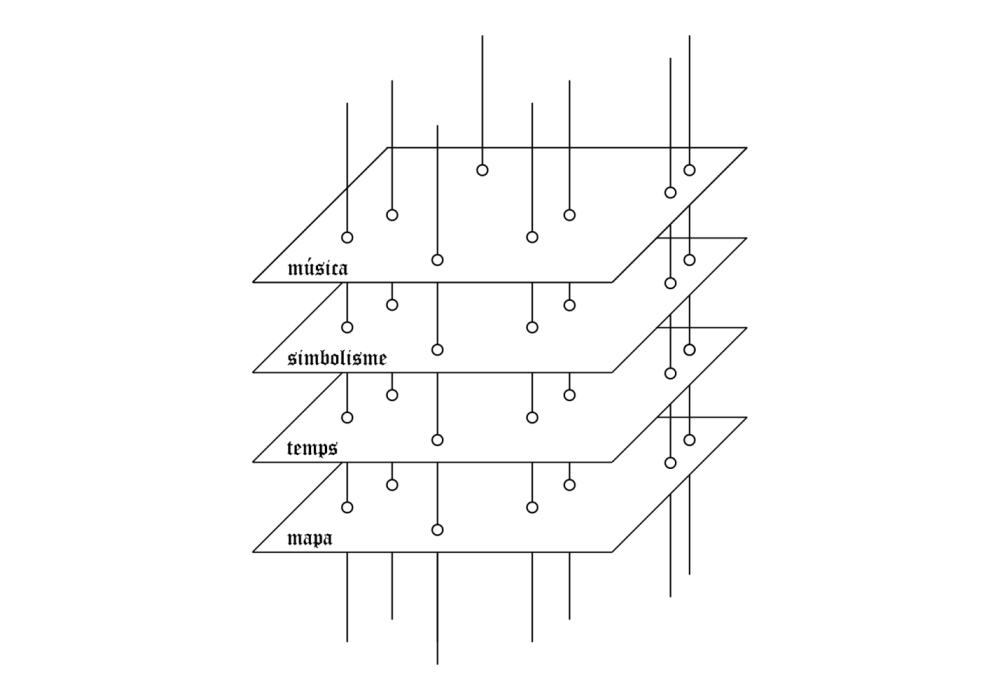
This research is based on presuppositions that are heir to symbolic thinking founded on archetypal analogies between serial collections and presents a series of experiments that takes to the limit the potential of these analogies for connecting different planes of reality. There are two specific planes that represent the most extreme vanishing points on the path of research that Marc O’Callaghan followed in the years prior to this project. Firstly, and as a consequence of his interest in comparative religious studies, Catholic symbolism and specifically the worship of saints; and secondly, deriving from his exploration of the materiality and functionality of sound, Mákina music. These two worlds represent two types of folklore that belong to very different paradigms. Through the musical symbolism suggested by various studies and trends, exercises will be performed in a bid to establish unexpected connections between the two. Bearing in mind that these are phenomena with characteristic roots in the local context, the artist has chosen the old quarter of Barcelona as the territory in which to map Catholic folklore, which will form the basis for his search for symbolic implications capable of offering a musical reading.
http://marcocallaghan.com/csfcmmcab is the website for Marc O'Callaghan's project. Designed by the author himself with the minimalist encyclopedic approach characteristic of his way of thinking, it functions as an archive-receptacle filled with empty boxes which are filled up as the project evolves.
Videos
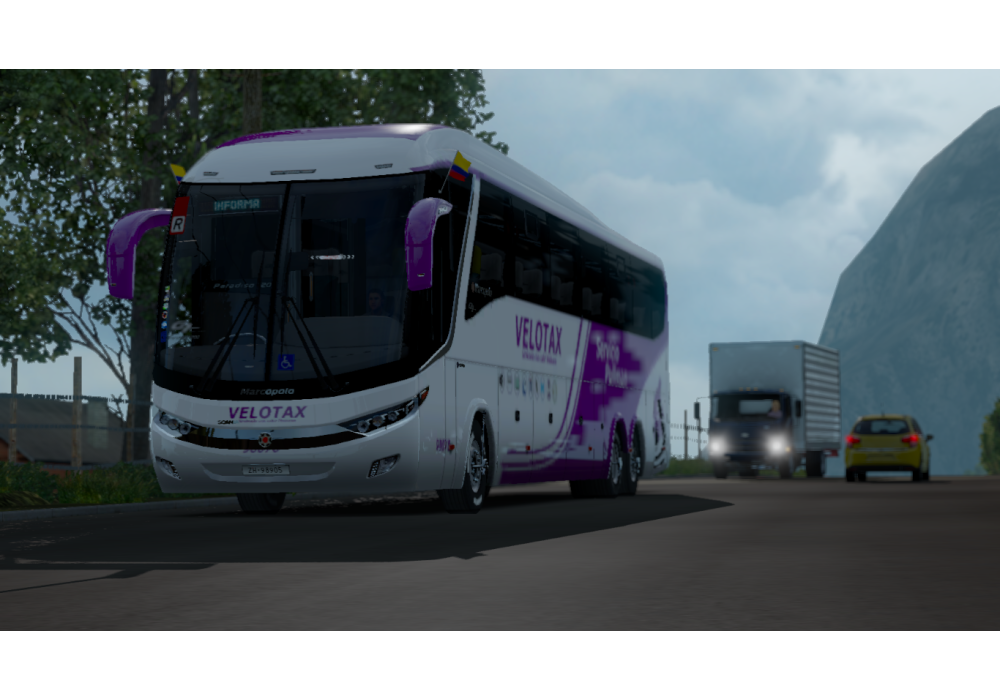
Ways of working, creating and sharing have been transformed by the advent of the new technologies and by a capitalist system committed to the circulation of knowledge and codes of consumption rather than to the means of production. At the present time, young people from many places around the world are engaged in short-term cultural projects without contracts or in irregular conditions, sometimes as amateurs, in other instances as professionals, but unable to build careers. Some have turned to developing their creative capacities with no remuneration whatsoever using the leisure and social networking channels offered by new platforms. This is the case of video gamers who design modded cars and urban landscapes, thereby completely transforming games. The Sindicato Virtual de Mods project is a virtual association – in other words, a non-existent association – that works firstly to compile, order and classify the images and imaginaries of this community of individuals based on their modded replicas, in particular of public transport and urban maps; and secondly, to generate virtual forums for discussion with gamers, inviting academic experts to test their theories on the employment crisis in the real world.
In their hyperconnected isolation, video gamers devote themselves to briefly reviving a visuality without history doomed to disappear or, in the best case scenario, to remain solely in the virtual space of the video game, questioning the individualism that the Web pushes the consumer towards.
Videos
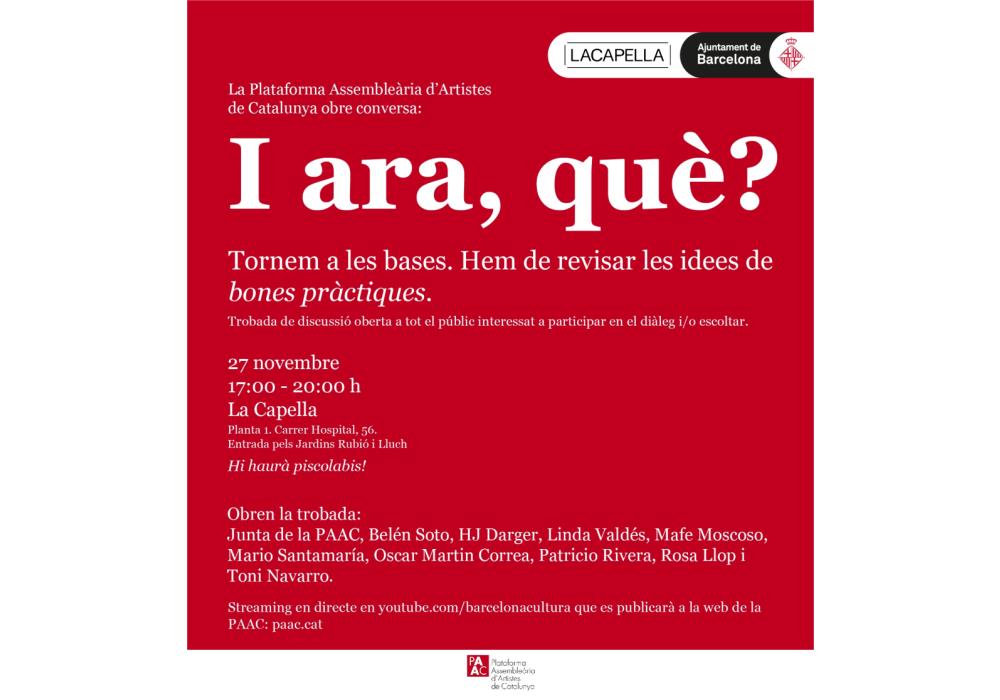
The PAAC opens the conversation:
And now, what? Let's go back to the bases. Let's review the idea of good practices.
Opening the meeting:
Board of the PAAC, Belén Soto, HJ Darguer, Linda Valdés, Mafe Moscoso, Mario Santamaría, Oscar Martin Correa, Patricio Rivera, Rosa Llop and Toni Navarro.
Place: La Capella. 1st floor. (Access through carrer Hospital, 56, through the Rubió i Lluch Gardens, second door on the right, first floor)
Free entry
Who has made this decision? I don't know how to deal with this violence. Why not me? I can not. They will not let me. I do not know how to do it. I need you to choose me, I must do better than her. I will dedicate more hours. Can we continue to trust them? She is not responsible. My work is much more interesting. Does not understand me. Did not tell me. If I name her, the attention will be on her, and I want her to attend to me. I deserved it. I'm missing possibility references. He says that my work is not art, that it is something else. He says that since I'm not an artist, I don't count. He doesn't consider me a professional, I don't know if I want to be one. Who knows about this stuff? Couldn't we do it together? I don't know if it's possible to organise us, or if it works for anything. I don't know where to protest. No one protects me? Nothing comes here. I depend on you. Why haven't I heard that? We always end up in the same power struggles. I feel they are instrumentalizing me. I don't trust the institutions and structures I know. We have lost the road map. Perhaps we have isolated too much the idea of art, of artist. We have lost bellows. Legal frameworks do not help us. Who cares about art and culture? This is unsustainable. We work with such powerful ideas and with so few tools to activate them among us ... I don't feel respected. I get frustrated. I envy her. It fills me with rage. I feel alone. I need help. I feel like I'm self-exploding. I don't have time to think about what I'm doing. I'm very tired ...
This November 27th, in the afternoon, we will activate a long-term process of critical discussion about good practices, artistic work and political action of the PAAC.
Event open to all the public interested in participating in the dialogue and in listening.
There will be a piscolabis!
>> Live streaming: https://www.youtube.com/watch?v=qJehllXTnIc and it will be published on the PAAC website: www.paac.cat
With the support of the Generalitat de Calalunya / Dept de Cultura and Ajuntament de Barcelona / ICUB.
With the collaboration of La Capella
Videos
Anton Vidokle. Immortality for All!
A film trilogy on Russian Cosmism
Sunday 17 November 2019, 4.30 pm
Cinemas Zum Zeig (Carrer de Béjar, 53)
Language: English
Price: € 5
The screening will be accompanied by a conversation between Anton Vidokle and Caterina Almirall.
In this cinematographic project in three parts, the artist Anton Vidokle demonstrates the influence of Cosmism in the 20th century, and raises its relevance in the present.
The cultural movement known as Russian Cosmism, promoted by the philosopher Nikolai Fedorov in the late nineteenth century, emerged in Russia before the October Revolution of 1917. Based on a broad theory of natural philosophy, this movement had the utopian goal of not only reforming art but also creating a new world. The ideological pillars of Cosmism were the end of death, resurrection and free movement within the cosmic space. Anton Vidokle, an artist and editor of the E-Flux digital magazine (Russia, 1965), recovers the foundations of cosmotic thinking and captures the remains of Soviet art and architecture in a ninety-six minute video-trilogy: from from the desolate steppes of Kazakhstan to the museums of Moscow. The compositions of John Cale and Éliane Radigue constitute the musical background of this imaginary apparently suspended in time.
Activity organised by Loop Festival in collaboration with Zumzeig Cinema, within the curatorial project "Become immortal and then dying" by Caterina Almirall, which will be exhibited in La Capella between October 2020 and January 2021.
+ Info http://lacapella.barcelona/ca/esdevenir-immortal-i-despres-morir
+ info http://loop-barcelona.com/activity/anton-vidokle-immortality-for-all/
With the collaboration of:


Work in community culture and health extends beyond the more conventional logics of community and cultural production, as it calls for other forms of involvement and dialogue, as well as active listening, with the territories. Other ways of being, of combining knowledge, of sharing spaces for getting together with others and of life, and other forms of knowledge and community models all emerge.
In this seminar, we will be pondering on ways to care for territories and on how, through hybrid forms of visual arts and community endeavour, we can arrive at other policies and other rhythms for building healthy ecosystems that protect the contexts, knowledge, people and bodies involved in programmes like Interfícies.
* Structure:
This seminar will be divided into two parts: a presentation by Marta Ricart (an artist from El Solsonès) entitled “Movements and Rhythms in Creating with People”; and a round table with LoRelacional, Forn de teatre Pa’tothom, Teleduca and Territoris Oblidats, as well as the GRICS Research Group / team of teachers in Community Psychology.