9 peces

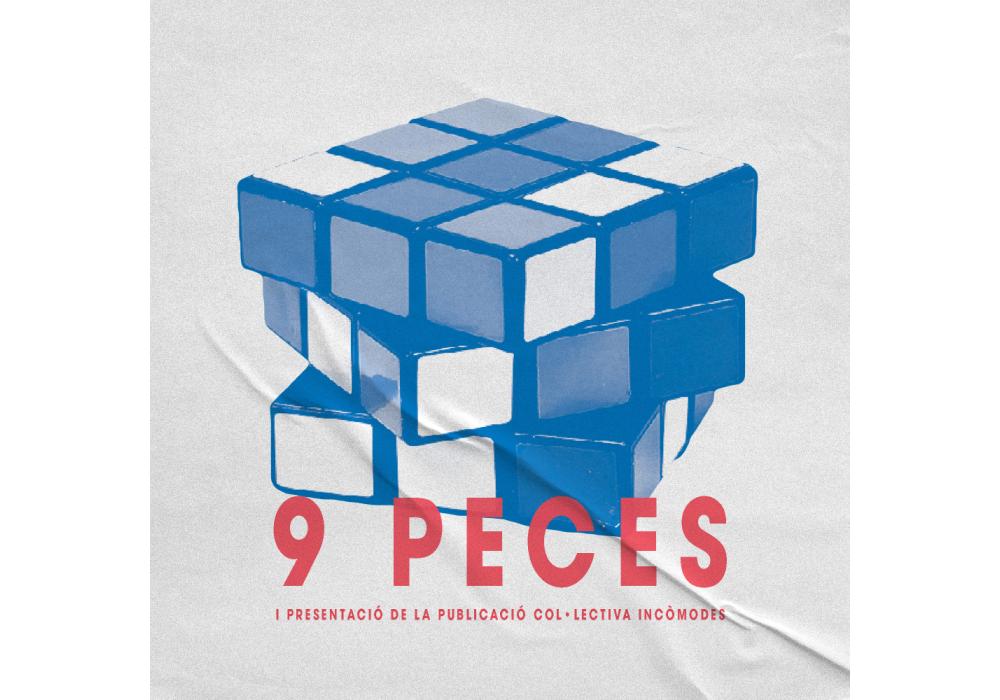
9 pieces

Carolina Campos / María Castillejo / Karin Dilge / Julia Favero / Beatriz Mínguez / Pandora — Amelia Estrada / Cristina Reid / Matías Salinas / Laura Zink

A shared curatorial experiment on dissonance, proximity and the friction of coexisting.

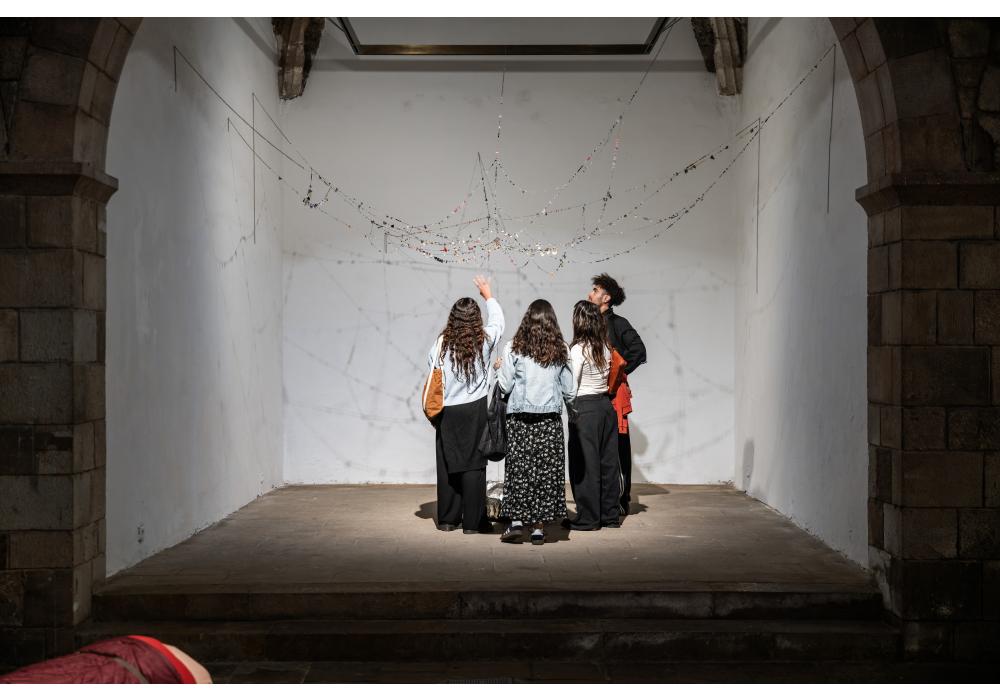
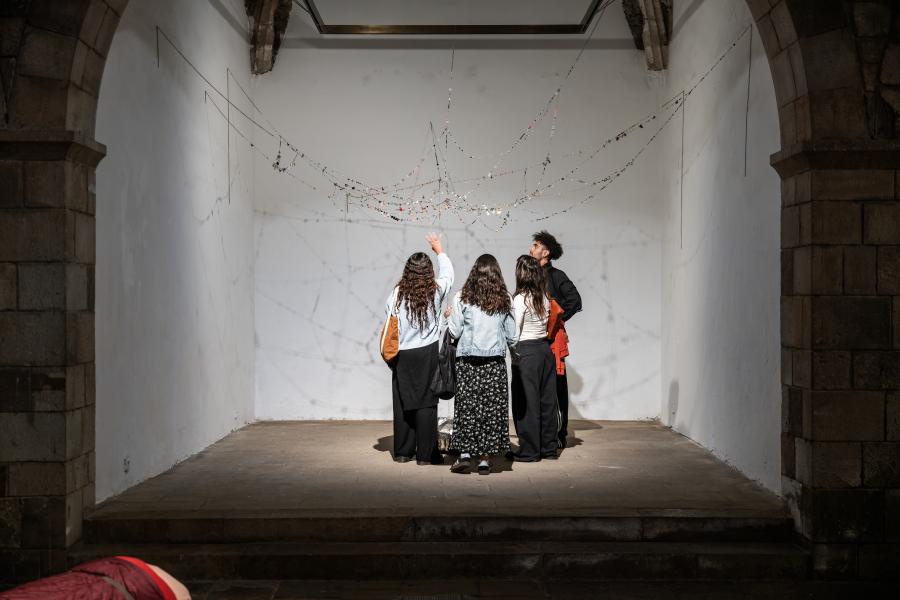
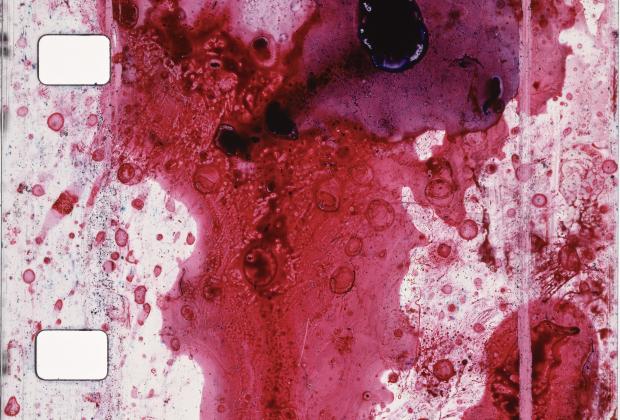
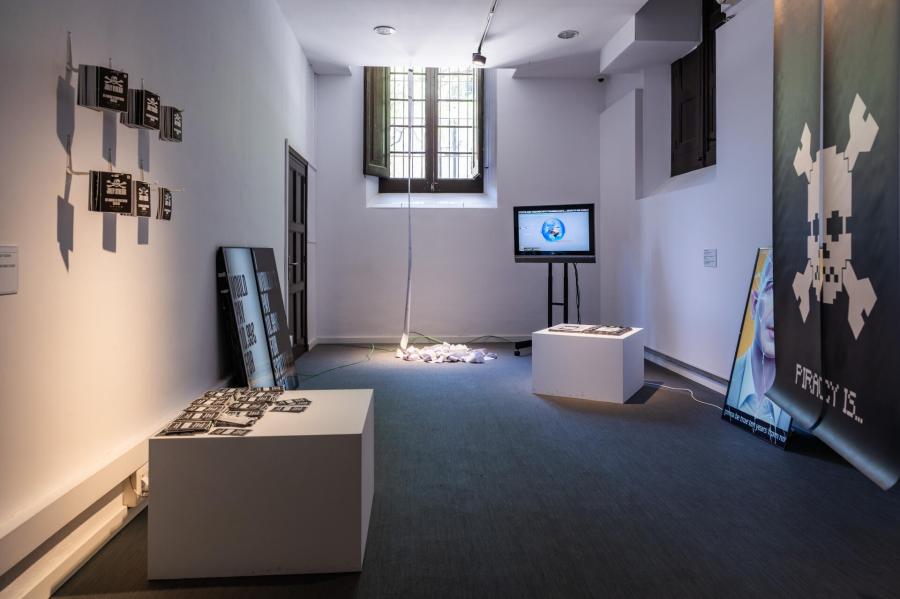
We can interpret 9 pieces as “thinking from afar” and “looking closely”. Two sentences that allow us to face the challenges between the personal and the structural realm, between the intimate and the political. The set of images and words chosen represents, in part, our anxiety about the different current realities that generate conflict for us. Hence, this glossary of concerns about the structural transformation of the present and about what it entails and what it challenges us.

9 pieces is not a conclusion, but a residue in question format.

This exhibition brings together the final projects of the Art and Technology of the Image (ATI) line of the Master's degree in Artistic Production and Research of the Faculty of Fine Arts of the University of Barcelona.

Visites comentades

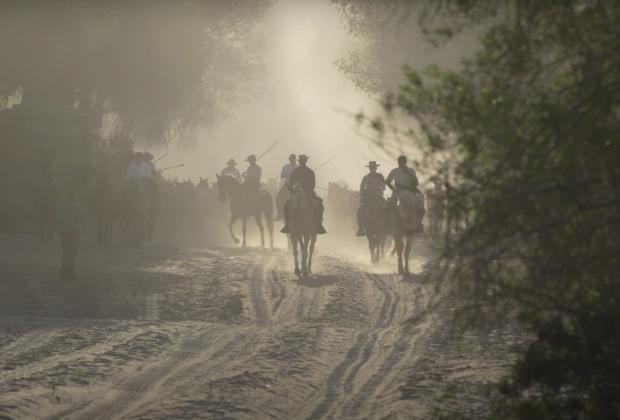
Guided visits to the exhibitions 'The pilgrimage of the horned ones' and 'The mutant screen'

La Capella mediation team

From Saturday 17th May, the program of guided visits led by Miriam Leal, from the mediation team at La Capella, continues.

The guided visits at La Capella provide a space for storytelling, reflection and exchange of impressions between attendees.

Duration: between 30 and 45 min.

No prior registration is required. Meet at the reception of the center.

To arrange group visits and other times, send an email to lacapella@bcn.cat with the subject "Guided visit" or arrange them by phone.

Images

Related

Visita Demà serà un altre dia

Guided visits to the exhibitions 'Banal Shit' and 'Tomorrow Will Be Another Day'

La Capella mediation team

Starting on Saturday, February 22, La Capella will begin a regular program of guided tours of the exhibitions Caca banal, by Daniel Moreno Roldán, and Demà sérà un altre dia, by Pol Clusella, led by Míriam Leal, from La Capella's mediation team.

La Capella's guided tours provide a space for storytelling, reflection and exchange of impressions among attendees.

Duration: between 30 and 45 min.

No prior registration is required. Meet at the center's reception.

To arrange group tours and other times, send an email to lacapella@bcn.cat  with the subject "Guided tour" or arrange them by phone.

Related

Meritxell Cañas

Guash Coranty Grants 2024-2025

Meritxell Cañas/ Natalia Ortega/ Marc Salas Armengol

Mediation Programme

The Guasch Coranty Grants are awarded annually with the aim of supporting and encouraging creative research projects by students from the Faculty of Fine Arts at the Universitat de Barcelona who have completed a minimum number of undergraduate credits or are enrolled in oficial postgraduate programmes. The three projects selected in the 2024-2025 call for applications by an evaluation committee that comprised Maria Dolors Tapias, Xavier Ristol and Marc Anglès can be seen today in the spaces of La Capella as the culmination of the production process for the projects awarded in this latest edition.


Meritxell Cañas. A Low-Resolution Home
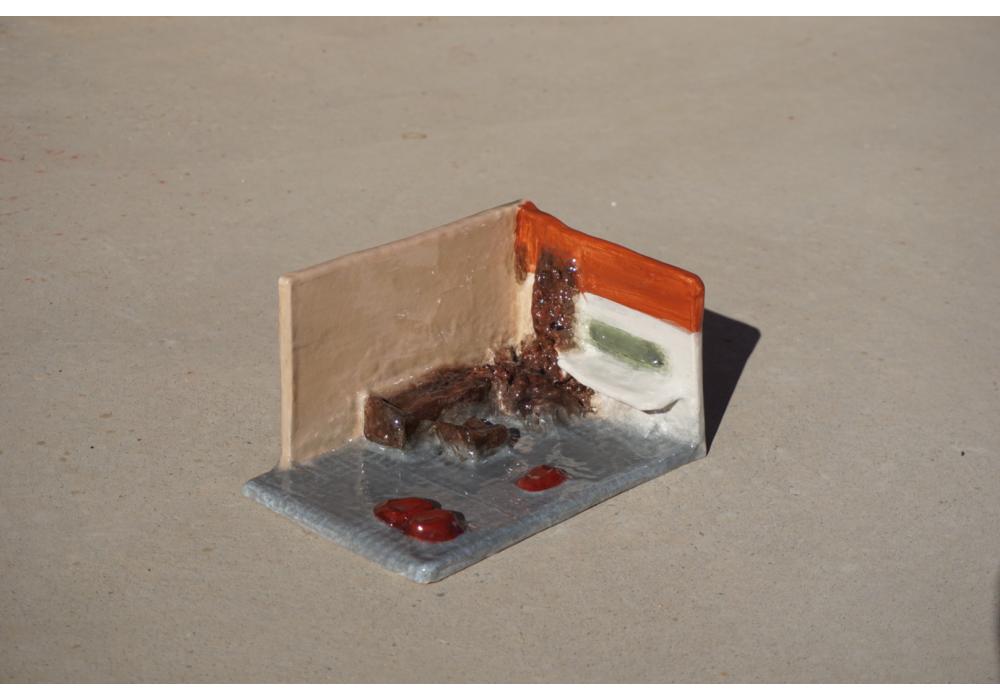
A Low-Resolution Home is a proposal that explores the relationship between the digital and physical worlds through ceramics and artificial intelligence. It establishes a dialogue between the digital and the material, in which ceramic sculptures are formed from AI renderings that attempt to imagine what the notion of home is. Lying between algorithmic randomness and human gesture, the installation questions how the imaginaries of domesticity are constructed and distorted in an age of algorithm- generated images. This is all framed within the context of Barcelona, where the idea of home is a blur between desire and precariousness.

Meritxell Cañas(Barberà del Vallès, 1999) Having graduated in Fine Arts from the Universitat de Barcelona, her artistic practice explores the transfer between the digital and physical worlds, questioning how the virtual can acquire form without losing its essence. Her work involves transferring algorithm-generated images into tangible materials, where code becomes texture and pixels become cracks. She is currently experimenting with ceramics to materialise the trace of the digital in its fragility and permanence.


Natalia Ortega. We Don’t Copy, We Match
We Don’t Copy, We Match takes the idea of the double as a play on affinities: two things that meet, accompany and/or alter each other. The double acts as a point from which to generate associations, a sensitive relationship that crosses what is recognised in the other through latent proximity. Working with materials, images and objects that unfold a universe in which some pieces make others when brought into dialogue with each other. Ortega is interested in borrowing the power of this coincidence or match as a tool: a flexible framework for exploring materiality and creative processes.

Natalia Ortega (Ronda, 2000) Her practice lies between sculpture and imagery, prioritising process and perseverance. After graduating in Fine Arts from the Universidad de Granada and completing an internship at Seventeen Gallery in London, she went on to complete a Master in Artistic Production and Research at the Universitat de Barcelona.


Marc Salas Armengol. Three lemons on the Roughness of a Slab
Three Lemons on the Roughness of a Slab is an investigation into approach and contact, into the interaction between materials in the studio and the painted surface, between gesture and time. It is an exploration of the very ontology of the painting process. The project focuses on the studio process. Armengol is interested in the relationships that arise with/between materials, canvases, surfaces, body and space. He delves into the very essence of painting and its morphology, approaching it from materiality as something that engages in dialogue with space and body. He views the studio as a container that holds gesture and movement, and canvases as structures that retain the process on their surface.

Marc Salas Armengol (Sabadell, 2002) Having graduated from the Universitat de Barcelona, his work examines the processes and actions of painting, with a special interest in the medium’s most fundamental aspect. He works from the relationship with/between things, approaching painting from materiality as a practice that engages in dialogue with space and body.


Images

Interficies expo Transductores

Interfícies: Cultural Rghts and Healthy Territories

Transductores

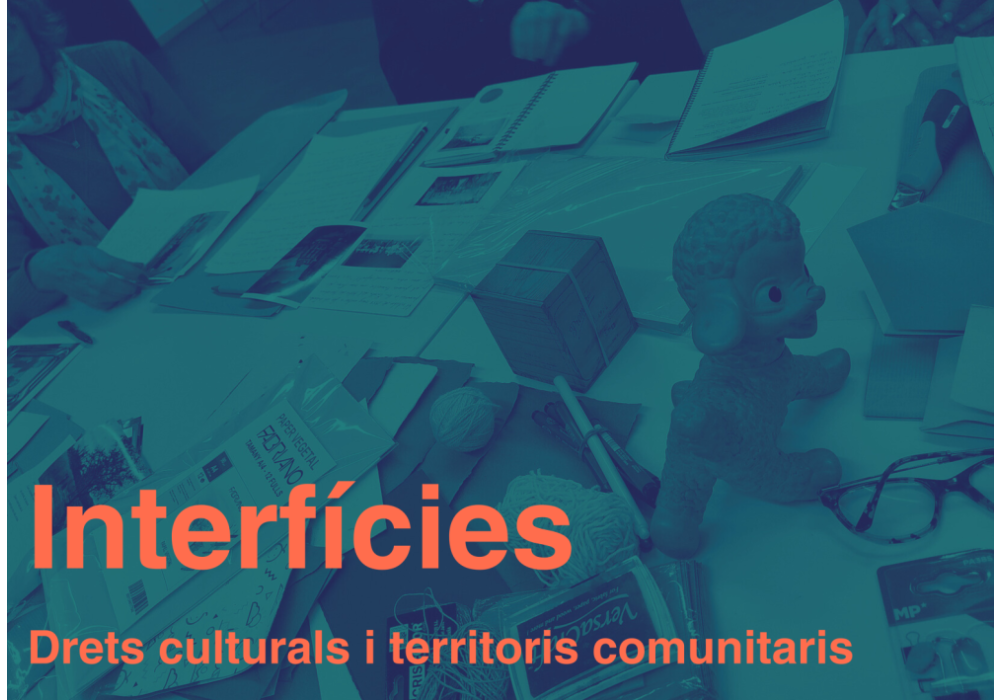
Interfícies is a community culture and health platform that encourages collective research in the arts, education and civic participation. Since 2017, it has been coordinated by Transductores in neighbourhoods such as El Raval, Les Roquetes, La Trinitat Nova, La Marina and El Poble-sec, working with local networks and creative organisations in community and educational settings. Interfícies is currently being developed in various community and educational contexts.

The exhibition presents artistic and community initiatives that explore different ways of activating cultural rights and reforging community bonds in order to strengthen healthy territories. It showcases cultural projects of participation and co-creation associated with social rights and care of collective memories, community health, community education and territory.

With the support of Generalitat de Catalunya and Ajuntament de Barcelona 

Bar L'Absent

L'ABSENT (the one who left)

Presentation of Escola d'Estiu Massana, guided by Maria Alcaide

L’Absent bar is the result of a collaborative work process at the I Fictional Woman workshop coordinated by María Alcaide at La Capella in collaboration with Escola Massana students. The setting of the bar within the exhibition space helps to transform it into a relaxed area for play and socialisation to trigger new dynamics. The bar will be inaugurated at 12.30 pm on 18 October and its traces can be visited on the following days.

(bar noise)

Al fondo a la derecha. Hola. Una tònica, siusplau. Ponme otra. Para mí un Vichy. Què tal, quant de temps? ¿Qué te pongo?. No, no me queda. ¿On està el lavabo? Me pones un café solo. Li vaig fer ghosting. Para llevar. ¿Do you have Iced Matcha latte? ¿Sangría then? Un carajillo de baileys. Quant són les braves? Al final simplement era un home. (He signals for the check) Tens foc? Adéu..

Retalls

Fragments

María Florencia Cid Berdeal / Helena Laguna Bastante / Nieves de Montserrat/Maria Oliveras Gregorio /Natalia Ortega Orozco / Ana Pérez García/ Yaneth Rivas / María Rojo Fernández-Shaw / Sofía Romeo Gascón / Denís Taboada González / Violeta Vieytes Vivares

Exhibition of works produced as part of the Master’s Degree in Production and Artistic Research of the University of Barcelona’s Art and Intermedia Contexts (ACI) line, held in collaboration with La Capella and Fabra i Coats: Fàbrica de Creació.

Is an isolated part of a thing still the same thing? What fragment, portion or particle of an element remains the same element?

If we assign the value of unity (1) to what we call a thing or element and successively fragment it (1/xn), we will have to repeat the action ad infinitum to get a result that tends towards zero, even though this value will forever remain out of reach. If we agree that the value of zero implies that the thing or element has transmuted into a new material state, with the option to fragment, cut or divide, the property of unity is never completely lost. From this perspective, no matter how many fragments of an original artwork we create, they will always retain constituent parts of it.

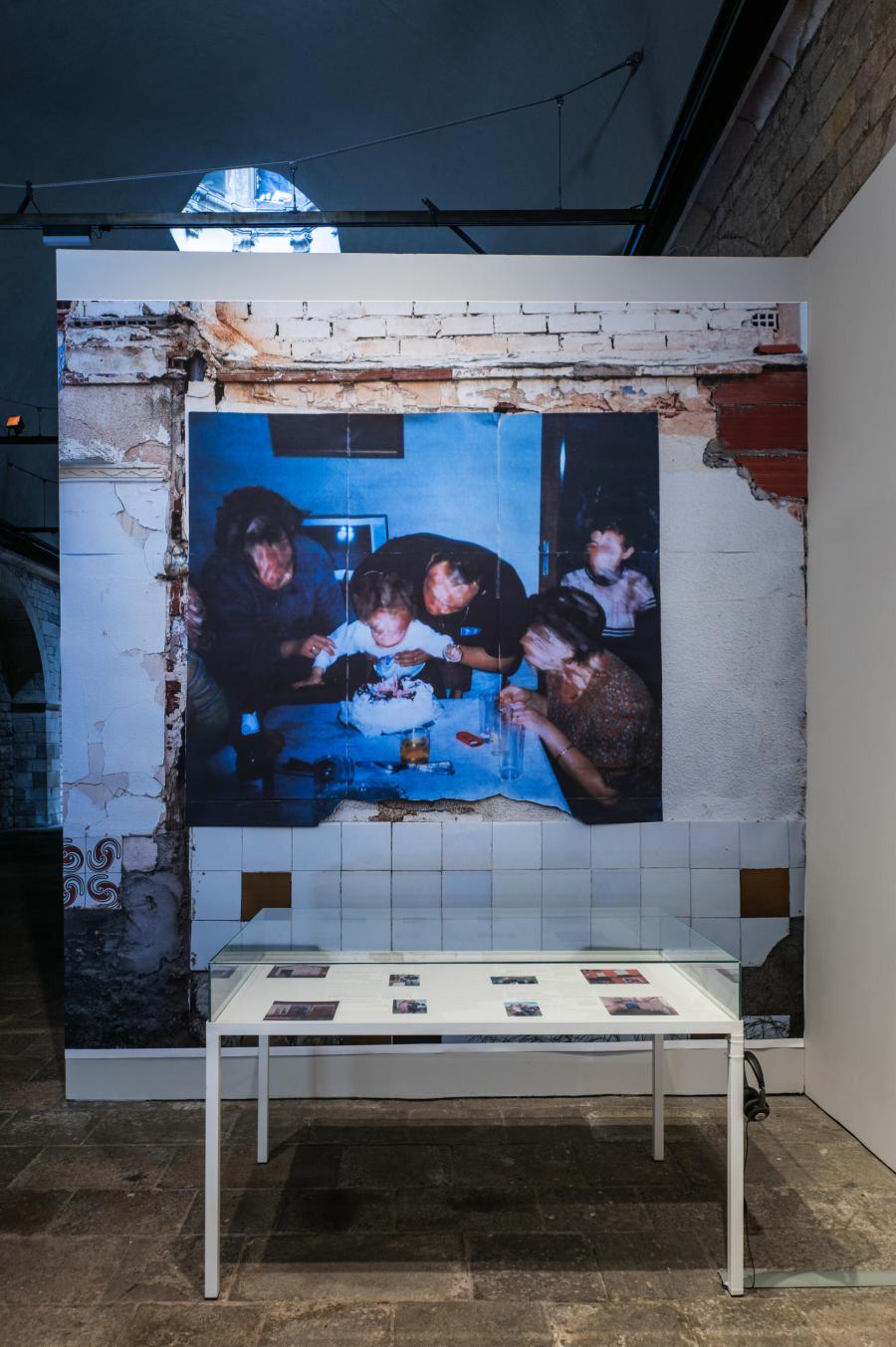
This collection of artworks, presented here as ‘fragments’, captures what is residual and discarded. It conjures ideas of waste, banality, fragmentation, interdependence, precariousness, ruin, disappearance and nostalgia. All are intrinsic consequences of working with matter and its properties. This includes matter and space, the body as matter, matter as memory, patriarchy and gender configured as matter and matter as a trigger of desire, as well as matter in motion, transition, decomposition and political action.

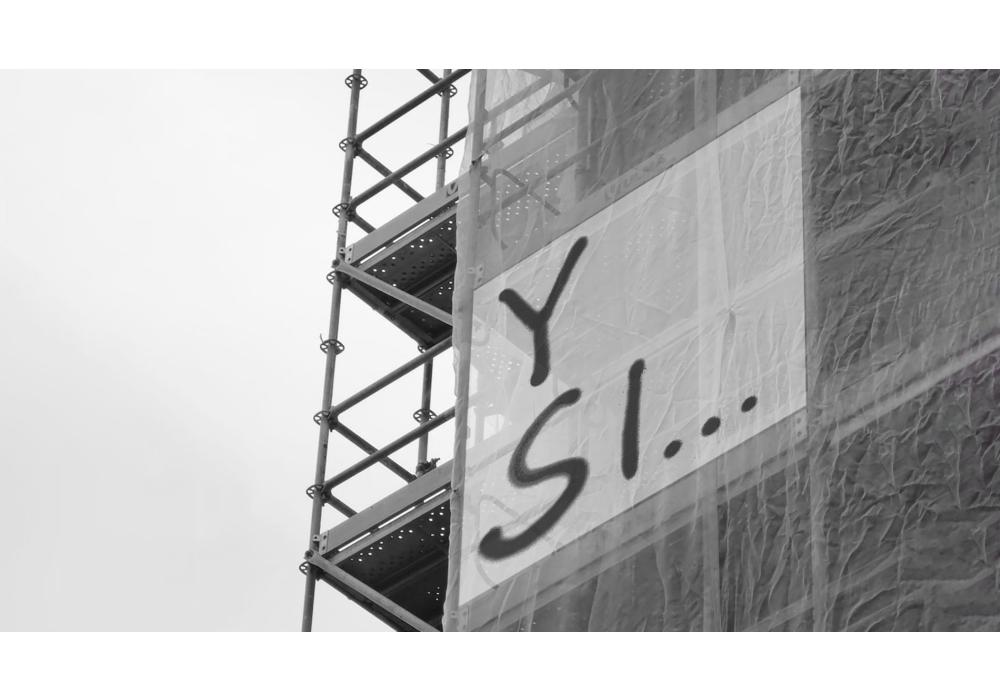
Y si...

WHAT IF…

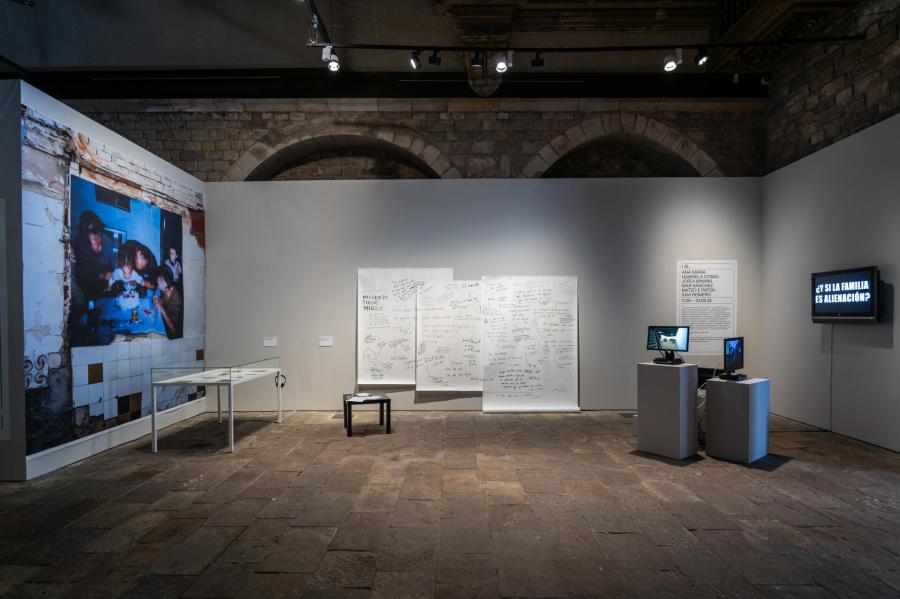
Jordi Mininni / Xavi Romero / Ana Maria Gabriela Cosac / Mar Sánchez / mateo e patón

WHAT IF...

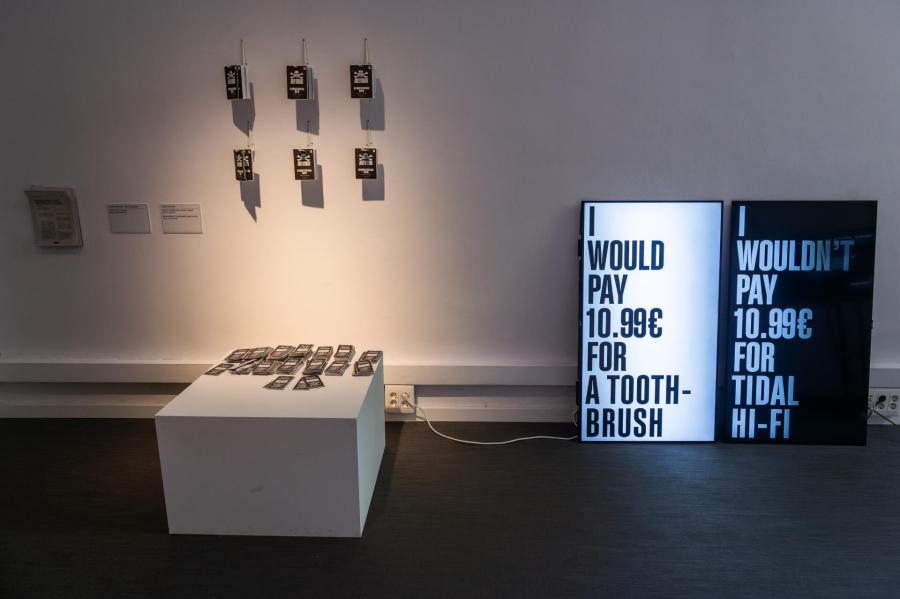
… we begin to question things?; … we refuse to conform?; … what we’ve been told all our lives isn’t real?; … we talk about migrations from Eastern Europe to other territories?; … there was a public internet?; … we could decide how AI is developed?; … we question what we mean by body, by text, by construction?; … we don’t feel identified?; … we question the ideology behind things?; … we change the narrative of memories?; … everything disconnects?; … we stop paying subscriptions?; … we use piracy as a form of opposition?; … we met at the park?; … we do the publication about parks?; … our story was just as powerful as The Story we’ve inherited?; … there was no in-between?; … we spoke out as a political act?; … we took action to change reality?; … we dismantle the family?; … it is our turn to move once again?; … our bodies were our own and endless territory?; … nothing were political?; … we hadn’t talked?


And what if we stopped questioning things…

… what would happen?


This exhibition features the final projects of students on the Art and Technology of the Image (ATI) course of the Master’s Degree in Artistic Production and Research at the Faculty of Fine Arts of the University of Barcelona.

Images

Natalia Domínguez EN RESiDÈNCiA a l'Institut La Ribera Un so que no se sent, una pols que no es veu

A sound that is unheard, a dust that is unseen

Natalia Domínguez IN RESiDENCE at the School La Ribera

At less than three hundred metres from Montcada i Reixac, the Holcim cement factory is also one of the thirty-six waste incinerators currently found in Spain. Tyres, pharmaceuticals, meat meal, grey water and heavy metals are burned to produce the energy needed to make cement. ‘A sound that is unheard, a dust that is unseen’ explores some of the ‘invisible’ materialities emitted by the factory in order to reflect on the ways in which industrialisation affects the lives of its closest inhabitants.

With students Salar Ahmad, Faris Bougrain, Ibrahim Chtioui, Hugo López, Xaviera Manzo, Aleix Notario, Lydia Santos, Ainhoa Umbert, Hugo Villar, Marwa Zitouni, Valeria Cuba and teachers Magnòlia Martínez and David Hidalgo.

Produced as part of the 16th edition of Artists IN RESiDENCE in Schools, a programme of the Barcelona Institute of Culture, Barcelona Education Consortium and Besòs Consortium, conceived in cooperation with the A Bao A Qu association and in collaboration with the Town Councils of Badalona, Montcada i Reixac, Sant Adrià de Besòs and Santa Coloma de Gramenet.

Coordinated and curated by L’Afluent. 

Una exposició d’infants de l’Escola Aldana amb Jaume Clotet. espais c

Difàcil (Diffeasy)

A children’s exhibition at the Escola Aldana school with Jaume Clotet

Difàcil (Diffeasy)

A children’s exhibition at the Escola Aldana school with Jaume Clotet

espais C

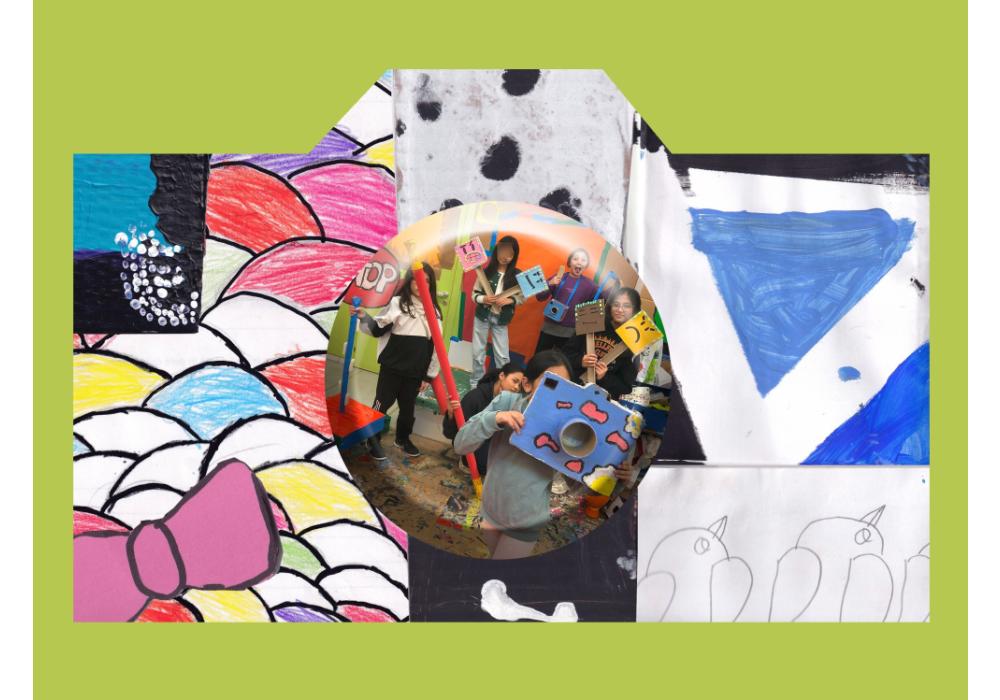
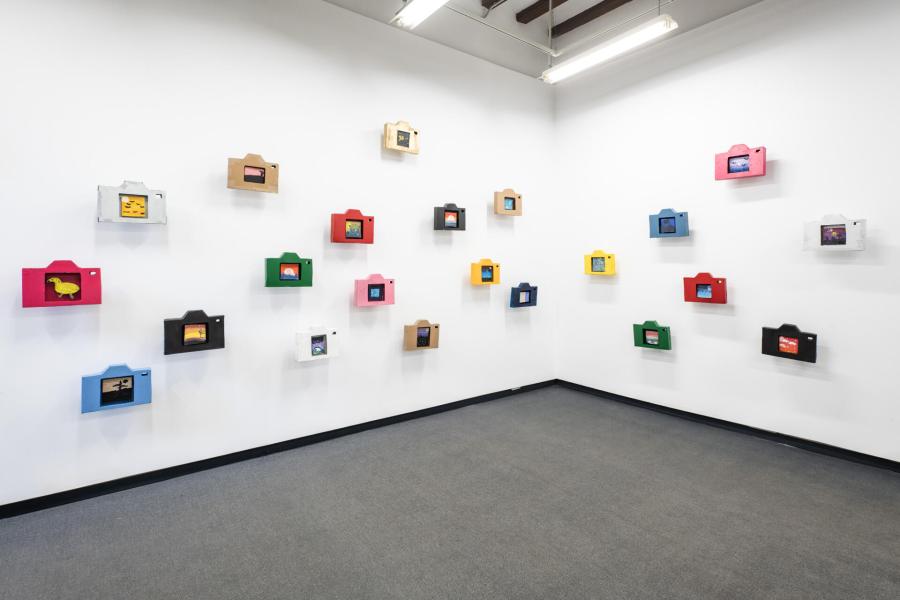
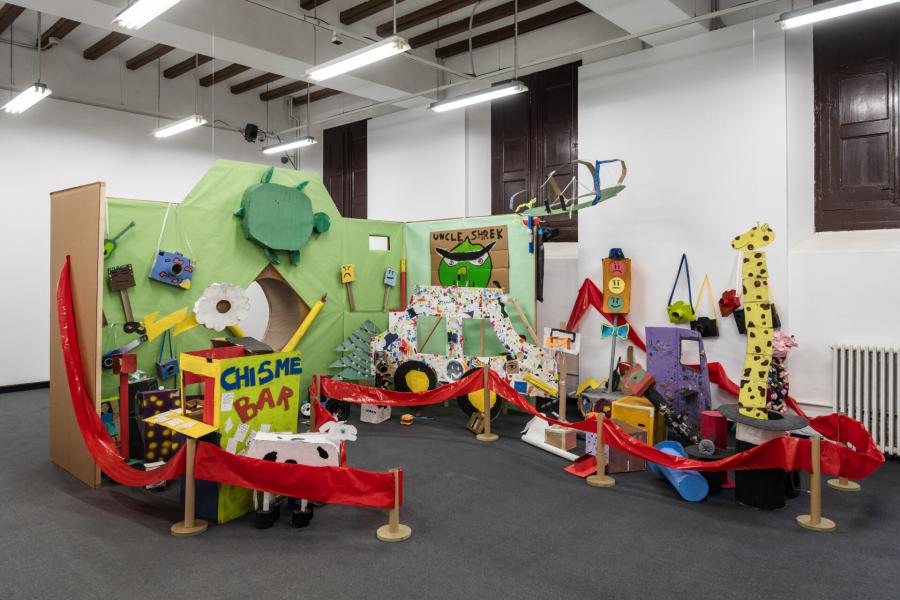
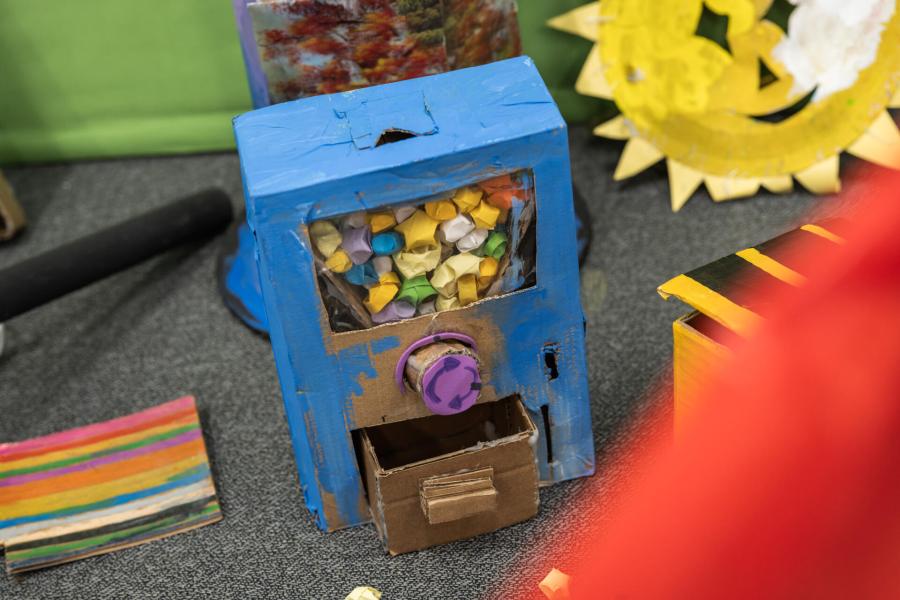
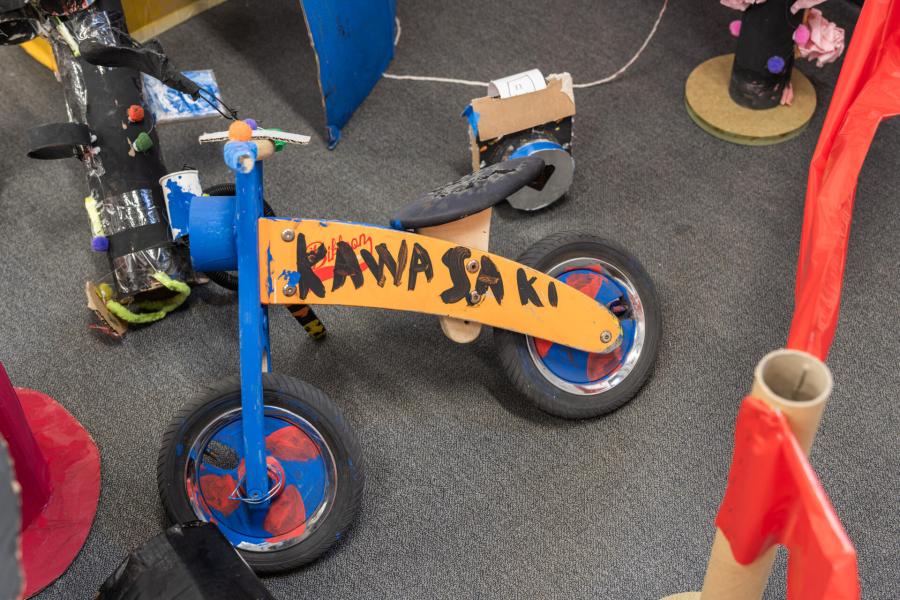
Difàcil (Diffeasy) is a concept that describes the method of the relationship between Jaume Clotet and the children at the Escola Aldana as part of the espais c programme during the 202223 and 202324 academic years. It is an enthusiastic and empathetic word capable of transforming difficulty into easiness and is imbued with a particular energy, the energy generated in a situation from which one does not know quite what to expect.

espais c is a programme run by the Consorci d’Educació and the Institut de Cultura de Barcelona that brings artistic practice and the public ambit of primary education into a dialogue by means of lasting processes of co-operation. In this respect, Difàcil is pure collaboration between diverse positions: that of Jaume Clotet, who moved his studio into a school and hence embraced a daily routine shared with the rhythms of an educational community; and that of the Escola Aldana, which decided to cohabit with an artist without it being clear what the outcome would be. And here we must also add the support of Judit López, a mediator at La Capella, and a group of children who would gradually and unhurriedly discover on the fly what the potential of having an artist in the school is. And so, having Jaume close to hand led them to use a new word that seemed unlikely it could ever exist, and perhaps these things only happen thanks to art.

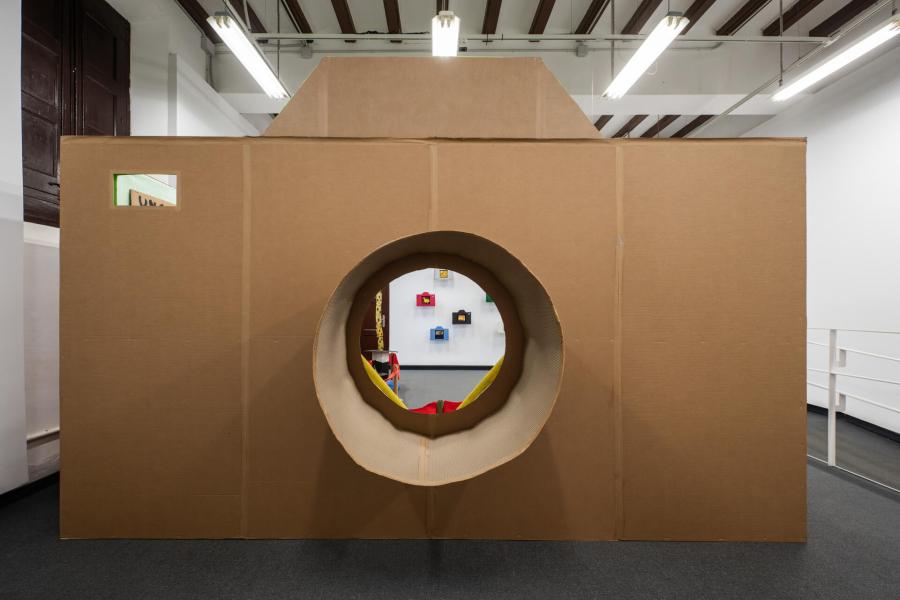
Two years after New Ywork, Clotet’s solo show in the Espai Rampa – and a project with which he began his relationship with the Escola Aldana and espais c – the artist has returned to the same space, but now with a collaborative project that sums up the things that occurred in the company of the children at the school over the course of this period. An exhibition of paintings and a central installation in which the imaginary of the photographic camera acquires a special importance. A fantasy involving many individuals and its documentation as an experience.

Difàcil is an exhibition that is part of La Capella’s mediation programme and one of the events being held to celebrate the centre’s thirtieth anniversary.

Images

Subscribe to Mediation